Posted on: November 13th, 2025 by Izabella Lindgren No Comments
In today’s rapidly evolving digital landscape, Melbourne has firmly established itself as one of Australia’s leading technology hubs. From global enterprises to dynamic start-ups, organisations are driving digital transformation at an unprecedented pace. For employers seeking tech talent — and for professionals pursuing their next career move — understanding the Melbourne technology recruitment market is crucial.
As a specialist technology recruitment agency based in Melbourne, Redwolf + Rosch are here to share our insights into current trends, challenges, and opportunities shaping technology recruitment across Victoria.
Melbourne: A Thriving Tech Ecosystem
Melbourne’s tech ecosystem continues to grow, powered by innovation, government support, and a highly skilled workforce. The city has become a magnet for professionals specialising in areas such as artificial intelligence, cloud computing, data analytics, cybersecurity, and software engineering.
From fintech and health-tech to e-commerce and creative digital industries, Melbourne’s demand for skilled tech professionals has never been higher. For employers, this means being strategic and agile in how they attract, assess, and retain the right talent. For candidates, it means more opportunities — but also greater competition.
Key Trends Influencing Technology Recruitment in Melbourne
1. Skills-Based Hiring on the Rise
Employers are shifting their focus from traditional credentials towards demonstrable skills and real-world impact. Portfolios, coding challenges, and project experience often speak louder than degrees.
For organisations, this trend broadens the talent pool — enabling them to engage professionals from diverse educational and career backgrounds. For job seekers, it means showcasing tangible achievements, side projects, and ongoing learning can significantly enhance employability.
2. Hybrid and Flexible Work is the New Normal
Since 2020, hybrid work has become a defining feature of Melbourne’s technology sector. Many professionals now expect flexible working arrangements that balance productivity, collaboration, and lifestyle.
Employers offering hybrid options attract a wider range of candidates, particularly those seeking work-life balance without compromising career growth. Clear communication about remote or in-office expectations is essential to avoid mismatched assumptions during recruitment.
3. Demand for Strategic and Specialised Tech Roles
While traditional IT roles remain important, the most significant growth lies in advanced and strategic positions — such as AI and machine learning engineers, data scientists, cloud architects, cybersecurity specialists, and DevOps professionals.
These roles require deep technical knowledge combined with strategic thinking and business alignment. As technology becomes increasingly embedded in business strategy, organisations are seeking tech professionals who can drive transformation, not just maintain systems.
4. Employer Brand and Candidate Experience Matter More Than Ever
Melbourne’s technology professionals have options. Salary alone is no longer the deciding factor; candidates look for purpose, culture, and progression. The quality of the recruitment process itself — from the first conversation to the final offer — can heavily influence how an organisation is perceived.
Employers who communicate transparently, provide timely feedback, and show genuine interest in candidate growth are far more likely to secure top talent.
5. Technology is Transforming Recruitment Itself
Recruitment is becoming smarter and more data-driven. Agencies and employers alike are embracing automation tools, AI-assisted sourcing, and predictive analytics to streamline the hiring process.
At Redwolf + Rosch, we believe technology enhances recruitment — but should never replace human judgement. Matching skills is easy; matching values, ambition, and cultural fit requires a personal touch. That’s where experience and empathy make the difference.
Challenges in Technology Recruitment Across Melbourne
Despite the city’s strong talent base, there are distinct challenges in Melbourne’s tech hiring landscape:
Shortage of niche skills: High-demand roles such as machine learning engineers or cloud specialists are difficult to fill.
Evolving candidate expectations: Professionals seek flexible, meaningful work with growth opportunities.
Lengthy recruitment cycles: Delays in hiring processes can lead to losing top candidates to faster-moving competitors.
Retention risks: With increasing demand, employees have options — so retaining them requires ongoing engagement and clear career pathways.
Defining hybrid policies: Balancing remote work flexibility with team cohesion can be complex.
Employer branding gaps: In a competitive market, organisations that don’t articulate their purpose or culture clearly risk losing visibility among candidates.
How to Hire Technology Talent in Melbourne Effectively
1. Define Roles with Precision
Before starting the search, clearly outline what success looks like in the role.
Identify the business goals the position supports.
Define essential skills, tech stack, and key deliverables.
Be transparent about seniority, progression, location, and salary range.
A well-defined role attracts the right candidates faster and reduces the risk of misalignment later.
2. Expand Your Sourcing Channels
To secure high-calibre tech professionals, employers must go beyond traditional job boards.
Engage with local tech communities, events, and professional networks.
Consider non-traditional pathways, including bootcamp graduates and self-taught developers.
Promote your employer value proposition (EVP) authentically — highlight your projects, purpose, and workplace culture.
3. Create a Seamless Candidate Experience
A positive hiring process builds trust and reinforces your brand.
Communicate promptly and clearly at every stage.
Use skill-based assessments that reflect real work scenarios.
Respect the candidate’s time and provide constructive feedback.
Remember, even candidates who aren’t selected can become advocates for your brand if treated respectfully.
4. Sell the Opportunity, Not Just the Role
Today’s tech professionals want more than a job; they want to make an impact.
Highlight what makes your organisation stand out:
The innovation they’ll contribute to.
Opportunities for growth and skill development.
Culture, leadership, and work-life balance.
Exposure to cutting-edge tools and technologies.
A well-articulated value proposition helps you attract and retain top performers.
5. Prioritise Onboarding and Retention
Hiring is only the first step. A structured onboarding process helps new employees feel connected and confident quickly.
Assign mentors and introduce them to key team members early.
Provide clear short-term and long-term goals.
Encourage continuous learning through training and development.
Regularly check in to ensure expectations align with reality.
Happy, engaged employees become advocates — and reduce future recruitment costs.
Advice for Tech Job Seekers in Melbourne
For professionals looking to advance their technology careers in Melbourne, preparation and positioning are key.
Showcase your projects: Maintain an up-to-date portfolio or GitHub that demonstrates problem-solving and creativity.
Focus on growth areas: Cloud, AI, data analytics, and cybersecurity remain among the most in-demand specialisations.
Stay adaptable: Be open to hybrid work models and emerging technologies.
Network actively: Attend meet-ups, conferences, and industry events to build visibility.
Partner with a recruitment agency: Work with agencies like Redwolf + Rosch that understand the Melbourne tech landscape and can connect you to opportunities aligned with your goals.
Why Partner with Redwolf + Rosch
Choosing the right recruitment partner can make all the difference. At Redwolf + Rosch, we specialise in connecting Melbourne’s top technology talent with organisations that value innovation and culture.
Here’s how we help:
Local insight: We understand Melbourne’s tech ecosystem and what drives it.
Extensive network: We have access to both active and passive talent across multiple tech disciplines.
Tailored approach: Every organisation and candidate is unique — we take the time to understand your goals and values.
Efficiency and quality: We streamline the recruitment process while maintaining a focus on fit, capability, and retention.
Long-term partnerships: Our goal is not just to fill roles, but to build lasting relationships that create value for both sides.
The Outlook for Technology Recruitment in Melbourne
Looking ahead, Melbourne’s technology recruitment market will remain competitive but full of opportunity.
Advanced digital skills will continue to be in short supply, particularly in AI, data, and cybersecurity.
Flexible and hybrid work will remain a key expectation for candidates.
Organisations that prioritise inclusion, transparency, and culture will stand out.
Upskilling and internal talent development will play a crucial role in closing skills gaps.
Employer branding and reputation will directly influence hiring success.
In short: the future belongs to organisations and professionals who can adapt, collaborate, and innovate.
Conclusion
Melbourne’s technology sector shows no signs of slowing down — and neither does the demand for skilled professionals who can lead digital transformation.
For employers, success depends on building strong recruitment strategies, refining your employer brand, and delivering great candidate experiences. For professionals, it’s about continuous learning, adaptability, and finding the right cultural and career fit.
At Redwolf + Rosch, we’re passionate about helping both sides of the market thrive. Whether you’re looking to grow your tech team or advance your career, our mission is simple: to connect exceptional talent with exceptional opportunities.
Ready to find your next tech role or hire in Melbourne?
Get in touch with the Redwolf + Rosch team today — we’d love to help you make your next move count.
Redwolf + Rosch – we are one of the best Employment Agencies in Melbourne, Australia. Call us today or CLICK this LINK to look at our current opportunities.
Connect with us and stay updated with the job market, follow REDWOLF + ROSCH on Facebook, Instagram, and LinkedIn.
Posted on: November 6th, 2025 by Izabella Lindgren No Comments
In today’s fast-evolving world, technology and digital talent are at the heart of innovation. From software engineers and UX designers to digital marketers and data analysts, these professionals drive transformation across every industry. But when it comes to recruiting them, it quickly becomes clear that tech and digital hiring is unlike any other field.
At Redwolf + Rosch, we’ve seen firsthand how the dynamics of tech and digital recruitment differ from traditional hiring. The competition for top talent is fierce, the skill sets are constantly changing, and the cultural fit between employers and candidates can make or break success.
In this article, we’ll explore what makes tech and digital hiring unique, the challenges businesses face, and how to attract and retain the right people in such a competitive landscape.
Understanding the Tech and Digital Talent Market
Unlike other industries, the tech and digital job market is fast-paced, skills-driven, and ever-changing. New technologies emerge almost monthly, and what’s in demand today may be outdated tomorrow.
The result? A market where candidates hold a lot of power. Skilled professionals often receive multiple offers simultaneously, and the best ones are rarely available for long. Employers can no longer rely solely on traditional job postings — they need proactive, strategic, and human-focused recruitment.
In Australia, the digital economy continues to expand rapidly. Businesses in all sectors — from finance and healthcare to retail and education — need strong digital capabilities to stay relevant. This has created a huge demand for tech specialists and digital experts, far outpacing the available supply.
The Pace of Change in Skills and Technology
One of the defining characteristics of tech and digital hiring is the constant evolution of required skills.
A developer skilled in one programming language may need to learn a new one within a year. A digital marketer’s toolkit today includes analytics, automation, and AI integration — skills that didn’t even exist a decade ago. Data analysts now work with more complex datasets and emerging technologies like machine learning.
This rapid change means recruiters and hiring managers must stay informed and adaptable. It’s not enough to know what skills are relevant now — you must anticipate what will be in demand next.
At Redwolf + Rosch, we help our clients think ahead. Rather than simply filling roles, we build teams capable of growing with technology. We focus on potential as much as proficiency — looking for adaptable thinkers who embrace continuous learning.
The Talent Shortage: Competition Is Fierce
The tech talent shortage isn’t a myth — it’s one of the biggest challenges in recruitment today. Across Australia and globally, there are more job openings than qualified professionals to fill them.
Roles in software development, cybersecurity, cloud architecture, and UX design are particularly competitive. Candidates are often approached by multiple employers simultaneously, making speed and engagement crucial in the hiring process.
This talent gap means businesses must differentiate themselves to attract candidates. Salary and benefits are important, but today’s professionals also look for:
Meaningful work that aligns with their values
Flexible working arrangements
Opportunities for growth and learning
A strong company culture
As recruiters, we know that success lies in presenting opportunities that resonate on a deeper level. It’s about understanding what drives candidates — not just what they can do.
The Importance of Employer Branding
When the best candidates have options, employer branding becomes a key differentiator. In the tech and digital space, professionals often research a company’s culture, mission, and values before applying.
They read reviews, check social media, and talk to peers. They want to know:
What’s the work environment like?
Does the company value innovation?
Are diversity and inclusion part of its DNA?
A strong employer brand builds trust and attracts the right people. At Redwolf + Rosch, we often work with businesses to refine their messaging, helping them tell their story in a way that appeals to top tech and digital talent.
Whether it’s through a well-crafted job description, a compelling careers page, or authentic social media presence, every touchpoint matters.
Speed and Agility in the Hiring Process
Another thing that makes tech and digital hiring unique is the speed of decision-making required.
The top candidates often receive multiple offers within days, not weeks. A slow recruitment process can mean losing great talent to faster competitors.
Tech professionals expect clarity, communication, and efficiency. From the initial outreach to the final offer, every step should reflect respect for their time and expertise.
At Redwolf + Rosch, we encourage clients to streamline their processes — making decisions quickly without compromising on quality. This might mean reducing interview rounds, providing timely feedback, and maintaining regular communication throughout the hiring journey.
A smooth, transparent experience not only increases the likelihood of securing top candidates but also strengthens your reputation as an employer of choice.
The Power of Cultural Fit
While technical ability is critical, cultural fit is what truly ensures long-term success. In tech and digital teams, collaboration, innovation, and adaptability are essential.
A developer who’s brilliant at coding but resistant to teamwork can disrupt productivity. Similarly, a marketer who’s uncomfortable with rapid change may struggle in a digital-first environment.
We believe in hiring for attitude and aptitude. The best candidates are not only skilled but also aligned with a company’s mission and way of working. They’re curious, creative, and motivated by challenges.
During our recruitment process, we take the time to understand both sides — the company culture and the candidate’s personality — ensuring there’s a genuine match beyond the job description.
Diversity and Inclusion in Tech Hiring
The tech and digital industries have historically faced challenges around diversity and inclusion. However, forward-thinking companies now recognise that diverse teams drive innovation, creativity, and better decision-making.
Recruiting diverse talent isn’t just the right thing to do — it’s a competitive advantage. Teams with a range of backgrounds and perspectives are better at problem-solving and more adaptable to change.
At Redwolf + Rosch, we’re committed to inclusive recruitment practices. We work with clients to build balanced teams, eliminate bias in hiring, and ensure that opportunities are accessible to everyone.
The goal is simple: create workplaces where people can bring their whole selves to work — and thrive.
The Role of Remote and Hybrid Work
The rise of remote and hybrid work has completely transformed tech and digital hiring.
In the past, businesses often limited their search to candidates within commuting distance. Now, geography is no longer a barrier. Employers can tap into talent from across Australia — and even globally.
Remote work opens up new possibilities for inclusivity and flexibility, but it also brings challenges. Employers must think about digital collaboration, communication tools, and maintaining company culture in a distributed environment.
For candidates, flexibility has become one of the most sought-after benefits. Offering hybrid options can make the difference between securing or losing top talent.
Assessing Skills: More Than Just the CV
Another unique aspect of tech and digital hiring is how candidates are evaluated. Traditional CVs often don’t capture the full picture of a candidate’s capabilities.
In this space, practical assessments, technical interviews, and portfolio reviews are key. Employers want to see real-world application of skills — not just qualifications.
For example:
Developers may complete coding challenges.
Designers share portfolios or case studies.
Marketers demonstrate campaign outcomes or analytics reports.
At Redwolf + Rosch, we guide clients in designing assessments that are fair, relevant, and engaging. The goal is to identify genuine capability while providing a positive experience for candidates.
The Value of Soft Skills in a Technical World
While technical skills are essential, soft skills are what set top performers apart. Communication, collaboration, problem-solving, and adaptability are crucial in dynamic tech and digital teams.
As automation and AI handle more routine tasks, the human side of work becomes even more important. Employers increasingly seek individuals who can think critically, learn quickly, and work effectively with others.
We look beyond the CV to uncover these qualities — through conversation, behavioural questions, and understanding career motivations.
How Recruitment Agencies Add Value
Navigating the tech and digital talent market can be complex. That’s where a specialist recruitment partner like Redwolf + Rosch adds real value.
We live and breathe tech and digital recruitment. Our team understands the nuances of each role — from front-end development and UX design to performance marketing and data analytics. More importantly, we know what motivates tech professionals and how to connect them with opportunities where they can thrive.
We help clients:
Define clear hiring goals
Attract the right candidates
Streamline recruitment processes
Strengthen employer branding
Build long-term talent strategies
Our approach is collaborative, transparent, and human-centred — because great hiring isn’t just about filling roles; it’s about building teams that grow your business.
The Future of Tech and Digital Hiring
As technology continues to evolve, so too will the recruitment landscape. AI-powered tools, data-driven insights, and skills-based hiring will play bigger roles in the future of talent acquisition.
But even as automation increases, one thing remains constant: the human element. The best recruitment outcomes come from genuine connections, understanding, and trust.
For businesses, staying ahead means embracing change — adapting to new technologies while keeping people at the heart of hiring.
At Redwolf + Rosch, we’re excited about what’s ahead. We believe that by combining innovation with empathy, we can help shape the next generation of digital workplaces — diverse, dynamic, and driven by purpose.
Conclusion
Tech and digital hiring is unique because it sits at the intersection of innovation and people. It’s fast-paced, competitive, and constantly evolving — but also full of opportunity.
Success in this space requires more than just filling roles; it requires vision, agility, and understanding. Whether you’re scaling a startup or transforming an enterprise, finding the right digital talent is key to future growth.
At Redwolf + Rosch, we’re here to help you navigate that journey — connecting the brightest minds in tech and digital with the organisations shaping Australia’s future.
Redwolf + Rosch – we are one of the best Employment Agencies in Melbourne, Australia. Call us today or CLICK this LINK to look at our current opportunities.
Connect with us and stay updated with the job market, follow REDWOLF + ROSCH on Facebook, Instagram, and LinkedIn.
Posted on: October 16th, 2025 by Izabella Lindgren No Comments
In today’s fast-evolving job market, employers across Australia are grappling with an increasingly complex challenge: niche skill shortages. From specialised tech roles to creative digital professionals, demand is outstripping supply—making it harder for businesses to attract, hire, and retain top talent in key areas.
At Redwolf + Rosch, we’ve worked closely with companies across Australia to help them navigate these challenges. In this blog, we’ll unpack what niche skill shortages are, the sectors most affected, and what your business can do to stay ahead in a competitive talent market.
What Are Niche Skill Shortages?
A niche skill shortage refers to a lack of professionals with highly specific expertise in a particular role, industry, or technology. These shortages often affect roles that require deep technical knowledge, rare qualifications, or a combination of skills that aren’t widely available in the market.
Unlike broader labour shortages, which impact a large segment of the workforce, niche shortages are more targeted and often critical to business operations or innovation.
Key characteristics of niche skill shortages include:
Specialised expertise that cannot be easily taught or replaced
Limited talent pool within a geographic region or globally
High demand across industries, leading to fierce competition
Rapidly evolving skillsets, especially in tech and digital spaces
Industries Most Affected by Niche Skill Shortages in Australia
Australia’s economy is being reshaped by digital transformation, remote work, and global competition—all of which are contributing to specific areas of shortage. Here are the sectors feeling the pinch:
1. Technology and Software Development
Australia’s tech sector is booming, but it’s also facing severe shortages in key roles:
Software engineers and developers, especially those with experience in JavaScript, Python, React, and cloud-native platforms
DevOps engineers who can bridge the gap between development and operations
Cybersecurity specialists as threats become more frequent and sophisticated
AI and data science professionals with machine learning and modelling expertise
With local talent in short supply, many companies are turning to global hiring or partnering with niche recruitment agencies like Redwolf + Rosch to access hidden talent pools.
2. Digital Marketing and Creative
Creative professionals who understand the digital landscape are in high demand:
UX/UI designers who can create intuitive, engaging digital experiences
Content strategists and SEO experts who can drive organic growth
Performance marketers with strong data analytics capabilities
These roles require a blend of creative thinking and technical skill—something not easily found in one person.
3. Engineering and Technical Trades
Despite Australia’s strong education system, there are still gaps in:
Electrical and mechanical engineers with specialised industry knowledge
CAD designers and technical drafters
Technicians with industry certifications in fields like automation and robotics
These roles often require years of hands-on experience that can’t be fast-tracked.
4. Finance, Data, and Analytics
The rise of FinTech and data-driven business models has created demand for:
Data analysts and visualisation experts
Financial modellers with advanced Excel, Power BI, or Tableau skills
Business intelligence professionals who understand both data and strategy
Even traditional financial services are now competing with tech companies for the same talent.
Causes of Niche Skill Shortages
To solve the problem, it’s important to understand what’s causing it. Here are some of the main drivers behind niche skill shortages in Australia:
1. Rapid Technological Change
Technology evolves faster than training or education can keep up. New programming languages, platforms, and tools are constantly emerging, creating a lag between what’s needed and what’s available in the talent pool.
2. Global Talent Competition
The rise of remote work means Australian companies are no longer just competing locally—they’re up against global tech giants for the same talent. At the same time, Australia’s skilled migration program has slowed in recent years, further limiting the pool.
3. Education and Training Gaps
Universities and TAFEs may not always offer the practical, hands-on training required for niche roles. Graduates often enter the workforce with theoretical knowledge but lack the real-world skills employers are seeking.
4. Changing Candidate Expectations
Skilled professionals now prioritise flexible work, meaningful projects, and company culture. Organisations that fail to meet these expectations struggle to attract top talent—even if they’re offering competitive salaries.
The Impact of Niche Skill Shortages on Employers
The effects of niche skill shortages go beyond hiring delays. Businesses that can’t find the right talent often face:
Project delays due to lack of specialised staff
Increased labour costs as candidates demand higher salaries or contract rates
Lower productivity and innovation bottlenecks
Employee burnout, as teams carry extra workload
Higher turnover, as competitors poach your top people
For start-ups and scale-ups in particular, talent bottlenecks can stall growth at critical stages of development.
How Employers Can Respond
Facing a talent shortage doesn’t mean you’re powerless. Here are some proactive steps your organisation can take to close the gap:
1. Work With a Specialist Recruitment Agency
Partnering with an agency like Redwolf + Rosch gives you access to candidates who aren’t actively job seeking but are open to the right opportunity. Our network is deep, targeted, and trusted across industries.
We specialise in uncovering rare talent others can’t find—and helping you secure them fast.
2. Invest in Upskilling and Internal Training
Instead of searching endlessly for the “perfect” candidate, consider training your existing team. Internal upskilling programs can turn promising employees into highly specialised experts over time.
This also improves retention and boosts morale.
3. Be Flexible With Role Requirements
Review job descriptions and remove non-essential requirements. Many highly capable candidates may lack one specific tool or certification, but can learn quickly on the job.
By focusing on core competencies and potential, you expand your talent pool.
4. Leverage Contract and Freelance Talent
For short-term needs or project-based work, contract professionals can offer the specialised expertise you need—without the overheads of a full-time hire.
At Redwolf + Rosch, we maintain an active roster of high-performing contractors ready to jump in where needed.
5. Strengthen Employer Branding
Niche candidates are picky. To attract them, your brand needs to resonate with their values and career goals. Highlight your:
Work culture and values
Learning and development opportunities
Flexibility and work-life balance
Technology stack and innovation projects
How Redwolf + Rosch Helps You Tackle Niche Skill Shortages
At Redwolf + Rosch, we specialise in recruiting for complex, hard-to-fill roles across Australia. Our consultants understand the unique challenges businesses face when hiring for niche positions—and we’re equipped to meet them head-on.
Here’s how we stand out:
Deep industry expertise across tech, creative, digital, and analytics sectors
Access to passive talent, not just active job seekers
Tailored recruitment strategies for your business needs and growth stage
Fast turnaround, without compromising on quality
Whether you’re a start-up building your first team or an enterprise scaling fast, we’re here to help you find the people who’ll drive your success.
Final Thoughts: Niche Talent Is Out There—If You Know Where to Look
Niche skill shortages aren’t going away anytime soon. As technology and business needs continue to evolve, the competition for top talent will only intensify.
But with the right strategies—and the right recruitment partner—you can rise above the talent crunch. Whether it’s refining your hiring process, investing in training, or tapping into specialist networks, proactive action will put your business ahead of the curve.
At Redwolf + Rosch, we don’t just fill jobs. We build teams that innovate, scale, and thrive in a changing world.
Redwolf + Rosch – we are one of the best Employment Agencies in Melbourne, Australia. Call us today or CLICK this LINK to look at our current opportunities.
Connect with us and stay updated with the job market, follow REDWOLF + ROSCH on Facebook, Instagram, and LinkedIn.
Posted on: October 9th, 2025 by Izabella Lindgren No Comments
In today’s rapidly evolving digital world, the tech sector remains one of the most dynamic and transformative industries. Yet, despite booming investment and innovation, many organisations find themselves held back by skill gaps — a growing disconnect between the capabilities employers require and the skills candidates possess.
At Redwolf + Rosch, we’re on the front lines of this challenge. We help organisations navigate the complex talent landscape, and we see first-hand how skill shortages impact productivity, innovation, and growth.
In this article, we’ll explore the root causes of skill gaps in the tech sector, examine their effects on businesses and individuals, and share strategies for bridging these gaps in the Australian context — while remaining globally competitive.
What Is a Skill Gap in Tech?
A skill gap occurs when the current workforce doesn’t meet the skills required by employers. In the tech industry, this might include missing capabilities in areas like cloud computing, cybersecurity, artificial intelligence, or data science — or even gaps in soft skills such as communication, leadership, and problem-solving.
The gap isn’t just about knowledge — it’s about application. Many candidates may have theoretical understanding, but lack hands-on experience or the ability to adapt quickly to evolving technologies.
Causes of Skill Gaps in the Tech Sector
1. Rapid Technological Change
Technology advances at breakneck speed. New frameworks, languages, tools, and platforms emerge constantly. What was cutting-edge a year ago can quickly become obsolete. Many organisations struggle to find candidates who are up to date with the latest trends — and many professionals don’t have the time or support to retrain at the same pace.
2. Mismatch Between Education and Industry Needs
Formal education institutions often fail to align with the needs of the tech industry. Graduates may leave university with outdated programming languages or limited exposure to modern development practices. Employers are looking for job-ready candidates, but too often, the curriculum doesn’t reflect the current demands of the workforce.
3. Limited Access to Reskilling and Upskilling
Tech professionals need continuous training to stay relevant. But not all employers provide structured learning opportunities, and many workers are left to self-fund or self-direct their professional development. Without support, it becomes difficult for individuals to pivot or advance their careers — especially in niche or emerging specialisms.
4. Shortage of Experienced Talent
Entry-level candidates may be abundant, but mid- to senior-level professionals are in short supply. Many organisations require workers with 5–10 years’ experience in specific technologies — but those people are already in high demand or unavailable in local markets. This “experience gap” creates a bottleneck in hiring and slows down project delivery.
5. Immigration and Labour Market Challenges
While skilled migration plays a role in supplementing local talent, there are delays and limitations in attracting overseas professionals. Regulatory, visa, or relocation hurdles can make it difficult for businesses to tap into international talent pools, especially for urgent or specialised roles.
6. Underrepresentation and Untapped Talent Pools
Women, Indigenous Australians, older workers, and individuals from diverse or non-traditional backgrounds remain underrepresented in tech. This lack of inclusion restricts access to a broader talent base, and contributes to the ongoing skills shortage across the sector.
7. Insufficient Forecasting and Planning
Some businesses fail to anticipate future needs or technological shifts. Without workforce planning, training pipelines, or proactive hiring, they are left scrambling to fill roles reactively — rather than preparing their teams for what’s next.
8. Soft Skills Deficit
Technical knowledge is just one part of the puzzle. Many candidates lack essential soft skills like critical thinking, collaboration, adaptability, and leadership — which are increasingly required in agile, cross-functional environments. This can hinder team dynamics and project outcomes.
The Effects of Skill Gaps in the Tech Sector
Skill shortages impact far more than recruitment. The ripple effects are felt across business operations, employee morale, innovation capacity, and the broader economy.
1. Slower Project Delivery and Innovation
When teams lack critical skills, projects take longer to complete. In some cases, they stall entirely. Companies may abandon ambitious initiatives simply because they can’t hire the right talent — resulting in missed opportunities for innovation or market expansion.
2. Increased Operating Costs
Hiring in a competitive market means higher salary expectations, longer recruitment cycles, and heavier reliance on contractors or external agencies. In some cases, businesses overpay for underqualified talent or face rising costs due to repeated turnover.
3. Decreased Productivity
A lack of skilled professionals can strain existing teams. Staff are stretched thin, overworked, or forced to work outside their comfort zones. This can lead to burnout, mistakes, and inefficient workflows — all of which impact business performance.
4. Higher Staff Turnover
Frustration due to skills mismatch, lack of growth, or underinvestment in training can push employees to seek opportunities elsewhere. This leads to further hiring pressures, knowledge loss, and reduced continuity in key roles.
5. Security and Compliance Risks
A shortage of cybersecurity experts or compliance professionals increases exposure to threats. Without proper expertise, systems may be vulnerable to breaches, data loss, or regulatory non-compliance — which can result in significant financial and reputational damage.
6. Barriers to Digital Transformation
Many businesses want to digitise operations, adopt cloud services, or embrace automation. But without the internal capabilities to manage these transformations, they remain stuck in outdated processes and legacy systems.
7. National Competitiveness at Risk
At a macro level, widespread skill shortages in tech can hinder Australia’s ability to compete globally. If companies are unable to adopt emerging technologies, grow efficiently, or scale internationally, the economy as a whole may fall behind.
How Employers Can Respond to Skill Gaps
While the challenges are real, there are practical steps employers can take to reduce the impact and build resilient, future-ready teams.
1. Invest in Learning and Development
Make upskilling part of your culture. Provide structured training, certification programs, mentoring, and on-the-job learning. Support continuous improvement, and reward learning outcomes. Employees are more likely to stay and grow when they feel invested in.
2. Rethink Hiring Criteria
Avoid setting rigid requirements for specific degrees, titles, or years of experience. Focus on skills, problem-solving ability, and potential. Look for transferable skills from adjacent industries or alternative career pathways.
3. Build Internal Talent Pipelines
Create pathways for junior staff to grow into senior roles. Identify high-potential employees and invest in their development. Promote from within where possible to reduce dependency on external hires.
4. Tap into Diverse Talent Pools
Proactively engage with underrepresented groups and remove barriers to entry. Partner with organisations supporting women in tech, Indigenous talent, neurodiverse individuals, or people returning to work. Broader recruitment equals stronger teams.
5. Partner with Recruitment Specialists
At Redwolf + Rosch, we specialise in identifying candidates with the right mix of technical expertise, adaptability, and cultural fit. Our industry knowledge and talent network can help businesses bridge gaps quickly and sustainably.
6. Foster a Culture of Innovation
Encourage experimentation, cross-functional collaboration, and agile practices. Skills develop faster in environments where learning and innovation are embedded into everyday work.
What Job Seekers Can Do
Skill gaps are not just an employer’s problem — they also affect job seekers and current professionals. Here’s how individuals can remain competitive in a changing market:
Stay updated: Follow industry trends, subscribe to tech publications, attend webinars or meetups.
Learn continuously: Complete online courses, earn certifications, or attend bootcamps in high-demand areas (e.g. AI, cloud, security).
Gain hands-on experience: Build a portfolio, contribute to open-source projects, or volunteer on tech initiatives to showcase practical skills.
Focus on soft skills: Communication, adaptability, time management, and emotional intelligence are essential in modern tech teams.
Network actively: Connect with mentors, recruiters, and peers in the industry to uncover opportunities and gain insights.
The Role of Recruitment Agencies in Closing the Gap
Recruitment agencies like Redwolf + Rosch play a vital role in tackling the tech talent shortage. Our value goes beyond matching CVs to job specs. We:
Bridge the gap between candidates and companies by understanding each side’s needs.
Help identify hidden potential in candidates who might not fit traditional moulds but have the right mindset and drive.
Advise clients on emerging skills trends, salary benchmarks, and candidate expectations.
Support workforce planning by forecasting talent needs and shaping long-term hiring strategies.
Conclusion
The tech industry is at the heart of modern economic growth — but its future depends on people. As new technologies emerge and business demands evolve, the pressure to find and retain the right talent will only increase.
Skill gaps in tech are not going away on their own. They require proactive, collaborative, and long-term solutions — from educators, employers, governments, and individuals alike.
At Redwolf + Rosch, we’re committed to helping bridge this divide. By supporting both clients and candidates, we aim to build stronger, smarter, and more sustainable tech teams for the future.
Redwolf + Rosch – we are one of the best Employment Agencies in Melbourne, Australia. Call us today or CLICK this LINK to look at our current opportunities.
Connect with us and stay updated with the job market, follow REDWOLF + ROSCH on Facebook, Instagram, and LinkedIn.
Posted on: October 1st, 2025 by Izabella Lindgren No Comments
In today’s competitive recruitment landscape, sourcing top talent is no longer about simply posting a job advert and waiting for applicants. With the rise of digital platforms, recruitment professionals have unprecedented tools at their disposal to identify, engage, and hire the best candidates faster and more efficiently.
At Redwolf + Rosch, we understand the challenges Australian businesses face in attracting skilled professionals across diverse industries. In this blog, we explore proven strategies for sourcing talent through digital platforms, helping you stay ahead of the curve and secure the perfect fit for your organisation.
Why Digital Platforms Are Essential for Talent Sourcing
Digital platforms have revolutionised recruitment by broadening reach, speeding up hiring cycles, and enabling data-driven decision making. Here’s why they matter:
Wider Talent Pool Access: Online platforms connect recruiters to candidates beyond geographic constraints, offering access to passive and active job seekers alike.
Targeted Searches: Advanced search filters and algorithms help zero in on candidates with specific skills, qualifications, and experience.
Cost-Effective Recruiting: Compared to traditional advertising or headhunting, digital sourcing can reduce cost per hire significantly.
Enhanced Employer Branding: Leveraging social media and professional networks enables companies to showcase culture and values, attracting like-minded talent.
Data and Analytics: Recruitment platforms provide insights into candidate behaviour and campaign performance, enabling continual optimisation.
Top Digital Platforms for Talent Sourcing in Australia
Understanding the right digital platforms to focus on is critical. Here are the most effective options for Australian recruiters:
1. LinkedIn
As the world’s largest professional network, LinkedIn remains the go-to platform for sourcing and engaging talent.
Advanced Search: Use Boolean operators, filters by location, industry, skills, and current or past companies.
LinkedIn Recruiter: A premium tool enabling more granular candidate searches, InMail messaging, and pipeline management.
Groups and Communities: Join and engage in industry-specific groups to build networks and identify passive candidates.
Content Sharing: Publish posts and articles to demonstrate expertise and attract talent organically.
2. Seek
Australia’s leading job board is essential for reaching active job seekers.
Job Postings: Tailor ads with clear role descriptions, salary ranges, and company culture highlights.
Seek Talent Search: Allows recruiters to browse profiles and directly contact candidates.
Resume Database: Access to millions of Australian CVs, searchable by keyword and experience.
3. Social Media Platforms
Facebook, Instagram, and Twitter have become valuable for employer branding and targeted campaigns.
Facebook Jobs and Groups: Post openings and join local or industry groups.
Instagram: Use stories and reels to showcase your company culture and day-to-day life.
Twitter: Share job posts and industry insights to engage with potential candidates.
4. Niche Job Boards and Forums
Specialist platforms can be highly effective for industries like IT, healthcare, engineering, and creative roles.
Examples include Stack Overflow Careers (IT), HealthJobs Australia (healthcare), and DesignCrowd (creative).
Strategies for Effective Talent Sourcing on Digital Platforms
Simply having access to platforms is not enough. Here are practical strategies recruiters can apply to maximise results.
1. Build a Strong Employer Brand Online
Your online presence is your first impression to candidates.
Create compelling company profiles on LinkedIn and job boards.
Share authentic content—employee testimonials, behind-the-scenes videos, community involvement.
Highlight your organisation’s values, diversity initiatives, and career development opportunities.
Search for exact phrases using quotes (e.g. "project manager").
Exclude terms to narrow down searches (NOT "intern").
This technique saves time by eliminating unsuitable profiles early.
3. Engage Passive Candidates Proactively
Passive candidates—those not actively job hunting—often represent top talent.
Use personalised InMails on LinkedIn, referencing their skills and experience.
Follow up with valuable content or invitations to webinars/events.
Build relationships over time rather than pushing immediate job offers.
4. Utilise AI-Powered Tools and Automation
Many platforms now integrate AI features:
Candidate matching algorithms suggest profiles aligned with job descriptions.
Chatbots can handle initial screening questions or schedule interviews.
Automated alerts notify recruiters of new matching candidates.
These tools increase efficiency and reduce manual workload.
5. Run Targeted Social Media Campaigns
Digital advertising tools allow micro-targeting based on demographics, interests, and behaviour.
Use Facebook Ads or LinkedIn Sponsored Content to promote vacancies.
Experiment with different messaging and visuals to appeal to different talent segments.
Measure and adjust campaigns based on engagement metrics.
6. Collaborate with Industry Influencers and Ambassadors
Tap into networks of respected professionals.
Encourage employees to share job posts and company content on their personal networks.
Partner with influencers to reach niche talent pools.
Host or sponsor industry events and webinars to increase visibility.
7. Monitor Analytics and Refine Your Approach
Leverage platform data to understand what’s working.
Track application rates, source quality, and time-to-fill.
Use insights to optimise job descriptions, ad spend, and outreach tactics.
Continuously test new platforms or strategies.
Legal and Ethical Considerations
When sourcing talent digitally, compliance is vital:
Privacy: Ensure candidate data is stored and processed securely, adhering to Australian privacy laws.
Non-Discrimination: Avoid bias by using standardised criteria and monitoring for unintended discrimination.
Transparency: Be clear about job requirements, hiring processes, and how data will be used.
Staying compliant not only protects your organisation but also builds candidate trust.
Overcoming Common Challenges in Digital Talent Sourcing
Even with great tools, recruiters face obstacles:
Challenge 1: Candidate Overload
Thousands of applications can be overwhelming. Use automated screening tools and precise job adverts to attract suitable candidates.
Challenge 2: Passive Candidate Engagement
Winning over passive candidates requires time and personalised communication—invest in relationship-building.
Challenge 3: Platform Saturation
Many recruiters compete on the same platforms. Differentiate by employer branding and creative outreach.
Challenge 4: Skill Shortages
In tight markets, broaden search criteria, consider upskilling potential hires, and explore untapped talent pools.
Conclusion
Digital platforms offer unparalleled opportunities to source high-quality talent in Australia’s competitive job market. By combining the right tools with smart strategies—building your employer brand, leveraging advanced search, engaging passive candidates, and using data insights—recruiters at Redwolf + Rosch can deliver exceptional results for clients and candidates alike.
Embracing these approaches not only speeds up hiring but also strengthens long-term talent pipelines, helping Australian businesses grow and thrive.
Redwolf + Rosch – we are one of the best Employment Agencies in Melbourne, Australia. Call us today or CLICK this LINK to look at our current opportunities.
Connect with us and stay updated with the job market, follow REDWOLF + ROSCH on Facebook, Instagram, and LinkedIn.
Posted on: September 30th, 2025 by admin No Comments
At its heart, a background check for employment is simply the process Australian employers use to confirm a candidate is who they say they are. It is a way to verify their identity, qualifications, and past history to make sure they are a suitable fit for the role. Think of it as a crucial risk management step that protects your business, your team, and your reputation.
Why Background Checks Are Essential for Australian Employers
A pre-employment background check is not about creating hurdles; it is about building a solid foundation for a safe and productive workplace. Just as you would check the structural integrity of a building before moving in, screening a candidate is a non-negotiable step to prevent future problems.
Having a structured screening process shows you are a diligent employer. It builds trust with new hires from the get-go and reassures your current team that you take their safety and the company’s stability seriously.
Protecting Your Business and People
Fundamentally, a background check is about safeguarding your organisation’s most valuable assets: its people, reputation, and resources. A thorough screening helps confirm that a candidate actually has the qualifications they claim and does not pose an obvious risk. This simple diligence can help you sidestep major issues, such as:
Workplace Misconduct: You can identify red flags that might point to a history of harassment, theft, or other disruptive behaviours.
Negligent Hiring Claims: It shows you took reasonable steps to create a safe environment for everyone, which is a key defence if something goes wrong.
Reputational Damage: You can avoid the fallout of hiring someone whose past actions could tarnish your company's image.
A well-executed background check is more than a formality; it is a proactive strategy. It empowers you to build a team based on verified information, fostering a culture of trust and integrity from the moment a new employee joins.
Verifying Candidate Credentials
Let's be honest, a CV is a marketing document. It is designed to highlight the best parts of a candidate's history, and sometimes, those details get a little embellished. Research has consistently shown that a surprising number of people stretch the truth about their skills or work experience. Verifying a candidate's story is the only way to be sure they can actually do the job.
This is not just about catching lies; it is about confirming competence. When you hire for a technical role, you need to know the person has the foundational knowledge. When you need experience, verifying their employment history confirms they have been in the trenches and can handle the pressure. It is especially important today, when savvy candidates are doing their own homework—you can read more about why candidates do background checks on their future managers in our detailed article.
In Australia, these checks are a well-established and legally sensitive part of hiring. While they are not mandatory for every single job, they are considered a best practice for mitigating risk. Crucially, Australian privacy laws mean you must get a candidate's written consent before starting any screening, ensuring the whole process stays within legal and ethical lines. This structured approach helps you build a complete picture of a potential employee, ensuring they are the right fit while minimising workplace risks.
The Key Types of Pre-Employment Checks
Think of building a screening process like packing a toolkit. You would not use a hammer for every single job, would you? The same logic applies here. A one-size-fits-all approach to background checks just does not work. Instead, you need to select the right combination of checks that are genuinely relevant to the role for which you are hiring.
Picking and choosing wisely is the key to a fair, effective, and legally sound screening process in Australia. It is all about gathering the specific information you need to make a great hire, without overstepping. Let’s break down the most common tools in your background-checking toolkit.
National Police Checks
This is one of the most common checks in an employer’s arsenal. A National Police Check provides a summary of an individual's "disclosable court outcomes" from police records right across Australia. It is not a record of every single interaction they have had with law enforcement, but a formal list of things like convictions, pending charges, and findings of guilt.
This check is absolutely essential for any role where trust, safety, and integrity are non-negotiable. It is standard procedure for jobs involving financial responsibility, handling sensitive data, or having unsupervised contact with clients. The whole point is to see if there is anything in a person’s criminal history that would directly clash with the core duties of the job.
Working with Children Checks
When a role involves any kind of contact with people under 18, a Working with Children Check (WWCC) is more than just a good idea—it is usually a legal requirement. The exact name and process can differ slightly between states and territories, but the purpose is always the same: protecting children.
A WWCC is much more than a standard police check. It casts a wider net, looking at a broader range of records, including relevant workplace misconduct findings and even charges that did not lead to a conviction. It is also an ongoing assessment, meaning a person’s clearance can be cancelled if a new, relevant offence occurs.
It is vital to remember that a WWCC is role-specific. An individual with a clearance for volunteer sports coaching, for instance, may need a new check for a paid role in a childcare centre. Always verify the check is valid for the specific type of work you are offering.
Employment and Qualification Verification
It might sound basic, but you would be surprised how often you need to confirm that a candidate’s work history and qualifications are what they say they are. Study after study shows that a significant number of people stretch the truth on their CVs.
Employment Verification: This simply confirms a candidate's previous job titles, their dates of employment, and sometimes why they left. It helps you build a factual picture of their career path.
Qualification Verification: This involves getting in touch with universities, TAFEs, or professional bodies to make sure the degrees, diplomas, or certifications on a CV are legitimate.
These checks are not just about catching someone in a lie. They are about ensuring you are hiring a person with the proven skills and experience to do the job well, saving you from a costly mis-hire down the track.
Right to Work in Australia Checks
For any business in Australia, confirming a candidate's legal right to work here is a non-negotiable, mandatory step. If you hire someone who does not have the proper visa or work rights, your business could face some serious penalties.
The easiest way to do this is through the Visa Entitlement Verification Online (VEVO) system, a free service from the Department of Home Affairs. With your candidate’s permission and their passport details, you can instantly see their visa status and any work restrictions. This should be a standard part of your onboarding for every new hire who is not an Australian citizen.
To give you a clearer picture, here is a quick rundown of the most common checks you will encounter.
Common Australian Background Checks at a Glance
Type of Check
Purpose
Commonly Used For
National Police Check
To identify disclosable criminal convictions and court outcomes.
Roles with financial duties, access to sensitive information, or high levels of trust.
Working with Children Check (WWCC)
To screen for offences relevant to the safety of children.
Any position in education, childcare, healthcare, or roles involving contact with minors.
Employment & Qualification Verification
To confirm past job history and educational credentials are accurate.
Virtually all professional roles to ensure candidate honesty and competence.
Right to Work (VEVO) Check
To verify a non-citizen's legal right to work in Australia.
All candidates who are not Australian citizens, as a mandatory hiring step.
Credit History Report
To assess financial responsibility and identify potential risks of fraud.
Highly restricted to roles in finance, banking, and positions with significant financial delegation.
While these are the mainstays, more specialised screenings exist. For example, credit history reports are available, but their use is very tightly regulated. These are generally reserved for the financial services industry or senior executives with major financial authority, as you must prove a clear and direct link between a person's credit history and the demands of their job.
Navigating Your Legal and Privacy Obligations
Running a background check for employment is more than just another step in your hiring process. It is a serious undertaking that comes with a heavy weight of legal and privacy duties. For any Australian employer, getting this right is not just good practice—it is absolutely essential to conduct checks ethically, legally, and with genuine respect for your candidates.
The entire process hinges on one core principle: consent. Before you even think about starting a screen, you need explicit, written permission from the candidate. This is far from a box-ticking formality; it is a non-negotiable legal requirement under Australia's Privacy Act 1988. The consent form needs to be crystal clear about what checks you will be doing and why, so the candidate knows exactly what they are agreeing to.
Understanding Your Duties Under the Privacy Act
The Privacy Act 1988, along with the Australian Privacy Principles (APPs), is your rulebook for handling personal information. When you conduct a background check, you are dealing with incredibly sensitive data, and the rules are strict.
You can only collect information that is directly relevant to the specific, inherent requirements of the role. Think about it this way: a credit check might make sense for a Chief Financial Officer, but it is almost certainly out of bounds for a software developer. This simple test of relevance should be your north star.
On top of that, you are responsible for keeping this information secure. Whether it is stored on a server or in a filing cabinet, the data from a candidate's background check must be shielded from prying eyes, misuse, or accidental leaks. A breach here can lead to hefty penalties and can seriously damage your company’s reputation.
Interpreting Findings and Avoiding Discrimination
Getting a report back that mentions 'disclosable court outcomes' can feel a bit confronting. But it is crucial to approach this information with fairness and objectivity. A disclosable court outcome is simply a formal record of a conviction or a finding of guilt—it is not a reflection of someone’s character.
Your job is to weigh these findings solely against the demands of the position. A minor driving offence from years ago is unlikely to have any bearing on an office-based marketing role. A conviction for fraud, however, would be a major red flag for someone applying to join your finance team.
It is against the law to make a hiring decision based on prejudice or an unconscious bias. Australian anti-discrimination laws are clear: you cannot penalise a candidate for something like a criminal record unless it directly conflicts with the genuine requirements of the job. Your evaluation has to be consistent, evidence-based, and fair every single time.
To stay compliant and fair, you need to apply your screening policy consistently across the board. If you decide a police check is necessary for a certain role, you must perform that check for all final candidates for that position, not just one or two. Picking and choosing who you screen is a fast track to a discrimination claim.
Making Decisions and Withdrawing Job Offers
You can withdraw a conditional job offer based on a background check, but only if the information uncovered truly makes the candidate unsuitable for the inherent requirements of the job.
Before you make that final call, the best approach is to give the candidate a chance to discuss the findings with you. There might be important context or mitigating factors that the black-and-white report does not capture. Opening up this dialogue shows fairness and helps you avoid making a rash decision based on incomplete information.
Here is how to make sure your process is legally sound:
Establish a Clear Policy: Figure out which checks are needed for which roles, based on risk and responsibility. Document it.
Obtain Informed Consent: Get a signed form that clearly explains what you are checking and why. Make sure your candidates understand it.
Assess Relevancy: Only consider information that directly impacts a candidate's ability to do the core parts of their job.
Apply Consistently: Use the same screening criteria for all candidates applying for the same role. No exceptions.
Communicate Transparently: If you do have to withdraw an offer, explain your decision clearly and professionally, tying it directly back to the job's specific requirements.
By building these principles into your hiring framework, you not only protect your organisation but also treat every candidate with the respect they deserve, building a foundation of trust from day one.
How Screening Requirements Vary Across Industries
When it comes to a background check for employment, a one-size-fits-all approach just does not cut it. In fact, it can land you in hot water with compliance. Think about it: you would not ask a software developer the same interview questions as a registered nurse, so why would you use the exact same screening process?
Different industries face completely different risks and responsibilities. This means their screening needs are also fundamentally different. It is all about proportionality—making sure the depth of the check matches the level of trust and responsibility the job demands. Getting this right ensures your process is both relevant and legally sound.
Protecting Vulnerable People in Healthcare and Education
In sectors like healthcare, aged care, and education, the number one priority is protecting vulnerable people. The stakes are incredibly high, which is why comprehensive background checks are a non-negotiable part of hiring. These industries have some of the most stringent screening rules in Australia for a very good reason.
Here, the checks go far beyond a simple police check. The focus is on specific, legally mandated screenings:
Working with Children Checks (WWCC): This is mandatory for almost any role that involves contact with minors. It is not a one-off check; it is an ongoing assessment.
National Disability Insurance Scheme (NDIS) Worker Screening: Anyone working with NDIS participants must pass this specialised check, which is designed to ensure participant safety.
Professional Credential Verification: It is crucial to confirm that a nurse is registered with AHPRA or that a teacher holds the correct accreditation. This verifies they are qualified and legally allowed to do their job.
These checks act as a critical safety net, ensuring only suitable and trustworthy individuals are placed in positions where they care for others.
Mitigating Financial Risk in Banking and Finance
Move over to the finance sector, and the core risk shifts from personal safety to financial integrity. The main goal here is to prevent fraud, theft, and the misuse of sensitive financial data. So, naturally, the screening process is designed to vet a candidate’s honesty and financial responsibility.
A credit history check is a common tool in this industry, although its use is very strictly regulated. It is not about judging someone's personal spending habits. Instead, it is about identifying red flags—like a history of serious debt defaults—that could signal a higher risk of fraudulent behaviour, especially for someone managing client investment portfolios.
In finance, you are building a team based on demonstrable integrity. The background check process is all about verifying a candidate's history of responsible financial conduct, which is a direct reflection of the duties they will be performing.
Ensuring National Security in Government Roles
Working for the government, particularly at the federal level, often means handling classified information that is vital to national security. As you can imagine, the background checks are exceptionally thorough and can take quite a while to complete. This is a world away from standard employment screening.
The process is called security vetting, and it is an in-depth assessment of a person's suitability to hold a security clearance. Vetting can involve deep-dive interviews with the candidate and their referees, a detailed analysis of their financial history, and a complete review of their background to ensure they are trustworthy and not vulnerable to outside influence. Navigating this complex world can be tricky, which is why many turn to specialists. You can learn more about the role of recruitment agencies for government jobs to better understand the process.
A Practical Guide to Conducting Background Checks
Running a background check for employment is not just a box to tick; it is a careful, multi-stage process. Think of it less like a single task and more like a project plan, where every step needs attention to detail, legal awareness, and clear communication. When you get it right, you protect your organisation and treat every candidate with the fairness they deserve.
This guide will walk you through the entire journey, from getting started to making that final call. The real secret is simple: follow a consistent, logical process every single time.
Step 1: Securing Informed Candidate Consent
Everything starts with informed consent. Before you even think about running a check, you must give the candidate a clear, written notice and get their signed authorisation. This is not just good manners—it is a non-negotiable legal requirement under Australian privacy law.
Your consent form needs to be straightforward and easy to digest. It absolutely must spell out:
What specific checks you plan to run (e.g., National Police Check, qualification verification).
Why these checks are genuinely necessary for the specific duties of the role.
Who will be doing the checks (your company or a third-party service).
How their personal information will be handled, used, and stored securely.
Without this signed form in hand, moving forward is a serious privacy breach. A transparent consent process not only keeps you compliant but also builds trust and sets a professional tone right from the start.
Step 2: Initiating the Checks
Once consent is sorted, it is time to gather the necessary documents and kick off the checks. This is the hands-on part of the process. For most businesses, the smartest and safest route is to partner with an accredited background checking service. These specialists know how to navigate the system and keep everything compliant, saving you a world of headaches.
Of course, some checks can be done directly. For example, the government's VEVO portal lets you verify a candidate's right to work in Australia almost instantly. Whatever path you choose, it involves collecting ID, submitting the requests, and waiting for the results, which can take anywhere from a few days to a couple of weeks. To make sure your process is solid, it is worth reading a comprehensive guide on how to conduct background checks compliantly.
This image helps visualise the core steps.
As you can see, it is a simple flow: get consent, verify the information, and then make a fair assessment before any final decision is made.
Step 3: Reviewing and Assessing the Findings
When the reports land on your desk, you have reached the most critical stage. This is where careful judgement and objectivity are paramount. Any negative information must be weighed strictly in the context of the job itself.
The real question is not, "Is this person's record flawless?" It is, "Does anything here directly impact their ability to perform the core duties of this role safely and effectively?"
For instance, a past driving offence might be irrelevant for an accountant but a deal-breaker for a delivery driver. Your assessment has to be fair, consistent across all candidates, and well-documented. This is the same methodical thinking you need for reference checks. If you are looking to brush up on that, have a look at our guide on the 4 easy steps for a reference check.
Step 4: Communicating the Outcome
The last step is to let the candidate know your decision. If the checks are all clear and you are ready to hire, that is an easy, positive conversation.
But if you have found something that makes you second-guess the offer, you need to handle it with care and transparency. The best approach is to give the candidate a chance to discuss what you have found. There could be an error in the report or a piece of context you are missing.
If you do decide to withdraw the offer, explain your reasoning clearly and tie it directly back to the essential requirements of the job. This ethical, upfront approach does not just keep you on the right side of the law—it protects your reputation as an employer who treats everyone with respect, no matter the outcome.
Common Questions About Employment Background Checks
Diving into the world of employment screening can feel a bit like navigating a maze. As an employer, you need to feel certain that your process for a background check for employment is not only effective but also fair and legally sound. Let's clear up some of the most common questions we hear from Australian businesses.
Getting your head around these details is the first step to making informed hiring decisions with confidence. From how long it all takes to the nitty-gritty of police checks, understanding the fundamentals makes for a much smoother, more ethical hiring process for everyone involved.
How Long Does a Background Check for Employment Take in Australia?
Honestly, it depends entirely on what you are checking. A straightforward National Police Check can often be turned around in just one to three business days. That said, some checks get flagged for a manual review by the police, which can add unexpected delays.
On the other hand, things like verifying someone's past employment or university degree are reliant on how quickly their old boss or university gets back to you. This can easily take several days. VEVO checks to confirm the right to work in Australia are usually instant. So, for a comprehensive screen that bundles a few different checks together, it is smart to plan for anywhere between three days and two weeks.
A good rule of thumb is to let your candidates know the expected timeline upfront. Being transparent manages their expectations and keeps the experience positive, even if things take a little longer than planned.
What Information Does a National Police Check Reveal?
A National Police Check provides a formal record of an individual's 'Disclosable Court Outcomes' (DCOs) from Australian police and court systems.
So, what does that actually include?
Court convictions and any sentences handed down.
Findings of guilt, even when a conviction was not officially recorded.
Things like good behaviour bonds and other court orders.
Any court charges that are still pending.
It is just as important to know what is not on there. The report will not typically show charges that were withdrawn or any 'not guilty' verdicts. Plus, some older convictions can become 'spent' after a certain period of good behaviour and will not be disclosed. There are exceptions, of course, especially for jobs involving children or national security. For a complete deep-dive, there is an article covering everything you need to know about background checks that is well worth a read.
Can I Withdraw a Job Offer After a Background Check?
Yes, you can, but there is a big "if". You can withdraw a conditional job offer if the check reveals something that makes the candidate unsuitable for the inherent requirements of the role. A perfect example is finding a recent fraud conviction for someone you have offered an accounting job to. That is a legitimate reason to pull the offer.
The key is that your decision must be directly and logically tied to the job's duties. It cannot be discriminatory. You cannot just change your mind based on information that has zero impact on their ability to do the job safely and well. Best practice is always to have a chat with the candidate about what came up. Give them a chance to provide some context before you make a final call.
Do I Need to Conduct Checks on Every Employee?
While background checks are only legally required for certain industries (like aged care or working with children), the golden rule here is consistency. Your internal policy needs to be applied the same way for everyone in the same type of role.
If you decide that a particular position needs a background check, you must perform that check for all successful candidates who are offered that role. Picking and choosing who to screen for the same job is a fast track to a discrimination claim. A solid internal policy will clearly outline which checks are needed for which roles, all based on a sensible assessment of risk and responsibility.
At Redwolf Rosch, we know that finding the right person is about so much more than what is on a CV; it is about building a team you can trust. If you are looking for a recruitment partner to help you navigate the complexities of hiring in the IT and digital space, get in touch for an introductory chat today. Find out more at https://redwolfrosch.com.au.
Posted on: September 29th, 2025 by admin No Comments
While people often use the terms interchangeably, the real difference between talent acquisition vs recruitment is a matter of perspective. Think of it this way: recruitment is a short-term reaction to fill an empty seat, whereas talent acquisition is a long-term strategy to build a pipeline of future leaders.
Recruitment is all about the here and now. It is tactical. A position opens up, and the goal is to get it filled efficiently. It is like putting out a fire.
Talent acquisition, on the other hand, is about building a fire-resistant organisation. It is strategic, continuous, and looks at the bigger picture.
Understanding the Fundamental Divide
Getting this distinction right is incredibly important for any business that wants to grow sustainably. While both functions aim to bring great people on board, their scope, timeline, and impact could not be more different.
Recruitment is a linear process focused on the present. It kicks off when a job becomes vacant and finishes once a contract is signed. It is all about speed and efficiency in addressing an immediate staffing gap.
In contrast, talent acquisition is an ongoing cycle. It is a much broader game, looking beyond today's openings to map out future skill needs, build a powerful employer brand, and foster relationships with potential candidates—often long before a specific role even exists.
This proactive approach means you have a ready supply of high-quality talent, which gives you a serious competitive advantage. As you can imagine, the evolving role of recruiters in Australia often demands a blend of both these skill sets to keep up with the market.
Recruitment vs Talent Acquisition At a Glance
To really nail down the practical differences, it helps to see them side-by-side. This table breaks down how each function operates across a few key criteria.
Criterion
Recruitment (Tactical)
Talent Acquisition (Strategic)
Timeframe
Short-term, focused on immediate needs.
Long-term, focused on future growth.
Approach
Reactive, responding to open vacancies.
Proactive, continuously building talent pipelines.
Scope
Filling a single, specific job role.
Holistic, includes workforce planning and branding.
Goal
Fill the position as quickly as possible.
Secure the best long-term talent for the organisation.
Key Metric
Time to Fill / Cost per Hire.
Quality of Hire / Employee Retention Rate.
As you can see, one is a sprint, the other is a marathon. Both are vital for a healthy organisation, but knowing when to apply each mindset is what separates good hiring from great hiring.
Understanding the Core Functions and Mindsets
Beyond the dictionary definitions, the real difference between talent acquisition and recruitment comes down to their fundamental mindset. Recruitment is a linear, almost transactional process. It has a definite beginning and end: a job opens up, the search starts, and it is over when someone is hired. The whole game is about speed and efficiency.
Talent acquisition, on the other hand, is a much more cyclical and all-encompassing strategy. It is not just a reaction to an empty desk; it is a continuous effort tied directly to the company's long-term goals. This shifts the focus from just filling roles to building a genuine competitive edge through people.
The Here-and-Now Focus of Recruitment
At its heart, recruitment is about solving an immediate problem. Think of it as a specific, targeted mission. The objective is clear: find a qualified person who matches a specific job description and get them in the door as quickly as possible.
This approach is heavily process-oriented and lives in the present. It involves the classic hiring steps—posting adverts, sifting through résumés, interviewing candidates, and making an offer. Success is measured by how quickly and cheaply that vacancy is filled.
The recruitment mindset is pure problem-solving. An empty role is a problem, and the recruiter’s job is to solve it efficiently with the best person they can find right now.
This transactional model is crucial for keeping a business running smoothly. It ensures key roles are always staffed and that day-to-day operations are not held up.
The Long-Game Vision of Talent Acquisition
Talent acquisition plays on a much bigger, more strategic field. It is about looking ahead and anticipating future needs, not just plugging current gaps. This involves a whole suite of connected activities that are designed to build the company’s capabilities over the long haul.
Strategic Workforce Planning: This means looking at where the business is headed and figuring out what skills will be needed down the track. It is about spotting potential talent shortages before they become urgent problems.
Building an Employer Brand: It is about creating and sharing a compelling story about why your company is an amazing place to work. This helps attract top-tier talent naturally, without having to chase them.
Nurturing Talent Pipelines: This involves actively building relationships with potential candidates—both those actively looking and those who are not. It is about creating a ready-made community of engaged people to draw from when the time is right.
Here in Australia, this strategic approach is more important than ever. For example, the ANZ State of Talent Acquisition Report found that in-house hiring teams saw a 7% drop in placements even though job applications shot up by 59%. This disconnect proves that just getting more applicants (a recruitment win) does not solve the real challenge of landing the right strategic talent. You can dive into the complete analysis in the JobAdder recruitment report on the state of talent.
Ultimately, the talent acquisition mindset is all about proactive relationship-building and strategic foresight. It turns hiring from a reactive chore into a powerful engine for business growth, making sure you have the right people ready to tackle whatever comes next.
How Their Processes and Objectives Diverge
The real difference between talent acquisition and recruitment shines through when you look at their day-to-day processes and what they are trying to achieve. Think of recruitment as a linear sprint. It is a direct, transactional process sparked by an immediate need—an empty seat—and its goal is to get from a job vacancy to a signed contract as efficiently as possible. There is a clear finish line.
Talent acquisition, on the other hand, is more like a continuous marathon. It is not just about filling one job; it is about building a sustainable ecosystem of talent that will fuel the company’s future. This is a much bigger-picture approach, involving a whole range of activities designed to secure the organisation's long-term success.
Deconstructing the Talent Acquisition Process
A solid talent acquisition process is complex and woven directly into the business's overall strategy. It is far from a simple checklist; it is a series of connected, ongoing actions.
Key components usually include:
Forecasting Talent Needs: This means getting ahead of the curve by analysing market trends, the company's growth plans, and potential skill gaps. The goal is to predict what talent you will need long before a role ever becomes vacant.
Proactive Candidate Sourcing: Talent acquisition specialists do not wait for applications. They actively hunt for and build relationships with passive candidates—those highly skilled people who are not job hunting but would be open to the perfect opportunity.
Optimising the Candidate Journey: Every single interaction, from the first outreach email to the final interview, is carefully crafted. The idea is to create a positive and memorable experience that genuinely reflects the employer's brand and values.
Building Talent Pipelines: This is the heart of the strategy. It involves creating and nurturing pools of talent for critical roles, ensuring there is always a supply of qualified, engaged candidates ready to go when a position opens up.
This chart really puts the different outcomes into perspective, showing how strategic talent acquisition stacks up against tactical recruitment across key business metrics.
As the numbers show, while talent acquisition might take longer initially, it pays off with a lower cost-per-hire and, crucially, a much higher quality-of-hire.
Contrasting Core Objectives
The objectives of recruitment are sharp and tactical: fill the open position quickly and cost-effectively. It is a direct response to an immediate operational problem, and success is measured by how fast and efficiently that problem is solved.
Talent acquisition, however, is playing a much longer game. Its objectives are strategic, aiming to deliver value that goes far beyond just one new hire. By focusing on building relationships and predicting future needs, it works to slash hiring costs and timelines over the long run by maintaining a pre-vetted talent pool. For a deeper dive, check out our guide on data-driven recruitment strategies.
The ultimate goal of talent acquisition is not just to hire a person; it is to elevate the entire organisation’s capability. It is about improving the overall quality of every hire, boosting employee retention, and building a workforce that can drive future growth and innovation.
This strategic focus shifts hiring from a reactive chore into a powerful competitive advantage. A recruiter closes a job requisition. A talent acquisition professional strengthens the very foundation of the business, ensuring it has the people it needs to not just survive, but thrive.
Choosing the Right Metrics for Success
The way you measure hiring success says everything about what you truly value. The key performance indicators (KPIs) for recruitment and talent acquisition are worlds apart, and for good reason—one is about tactical execution, while the other is a strategic game. One looks at speed and cost; the other, long-term value and organisational health.
Getting these metrics right is critical. If you do not align your hiring function with your bigger business goals, you risk making hiring decisions that tick a box today but create serious headaches down the track.
Recruitment Metrics: All About Efficiency
The world of recruitment revolves around immediacy and tight operational control. Its KPIs are there to answer one core question: how quickly and cheaply did we fill this empty seat? This viewpoint is absolutely essential for keeping the lights on and managing budgets.
The most common recruitment metrics include:
Time to Fill: This is a simple calculation—the number of days from when a job is posted to when the candidate signs the offer. A low number here is seen as a big win.
Cost per Hire: This adds up all the expenses tied to bringing on a new employee, from advertising spend and agency fees to the recruiter's time. It is a fundamental metric for keeping hiring budgets in check.
These numbers are vital for managing day-to-day operations. The problem is, they tell you almost nothing about whether that new hire will actually make a difference to the business in the long run.
Talent Acquisition Metrics: A Strategic Outlook
This is where talent acquisition flips the script. The focus shifts from short-term wins to long-term value creation. The KPIs here are built to measure the strategic impact of hiring, connecting it directly to business performance and sustainable growth. This approach gives you a much clearer picture of your company's overall health.
While a recruiter’s job is done when the role is filled, a talent acquisition professional’s success is only validated months or even years later, through the performance and retention of that new hire.
Key talent acquisition KPIs to watch are:
Quality of Hire: This is a bit more complex, often measured through performance reviews, manager satisfaction surveys, and productivity data. It assesses how much a new hire is contributing to the company's success once they are settled in.
New Hire Retention Rate: This metric tracks the percentage of new employees still with the company after a set period, usually one year. A high retention rate points to a good cultural fit and a solid onboarding experience.
Talent Pipeline Strength: This gauges how healthy your future talent supply is by looking at the number of qualified, engaged candidates you have ready for critical roles.
At the end of the day, the difference is profound. Recruitment asks, "Did we fill the job fast?" Talent acquisition asks, "Did we make a hire that strengthens our entire business for the future?"
When to Use Each Approach in Your Business
Figuring out whether to focus on talent acquisition or recruitment is not just a matter of semantics—it is a practical business decision with real-world consequences. The right strategy hinges entirely on the context of the role, how quickly you need someone, and what your long-term goals are.
Ultimately, the choice comes down to situational awareness. Are you plugging an immediate operational gap, or are you building the foundation for your company's future?
When to Prioritise Recruitment
Recruitment is your go-to when your needs are immediate and clearly defined. It shines in situations where getting someone on board quickly and efficiently is the most important thing.
Think about these common business scenarios:
Seasonal Staffing: A retail business in Melbourne preparing for the Christmas rush needs to hire a large number of temporary staff, fast. The roles are standard, and the hiring window is tight, making a focused recruitment drive the perfect solution.
Sudden Departures: A key team member resigns out of the blue, leaving a critical operational hole. Recruitment is the tactical response you need to find a qualified replacement swiftly and keep the business running smoothly.
High-Volume, Standardised Roles: A national logistics company opening a new distribution centre needs to hire dozens of warehouse operators. The skillset is straightforward, so a streamlined, high-speed recruitment process is the logical choice.
In each of these cases, the objective is simple: fill a known vacancy as fast as possible. Recruitment provides the direct, transactional process needed to solve these immediate staffing problems.
When to Invest in Talent Acquisition
Talent acquisition is the name of the game when the challenge is more complex, future-focused, and strategically vital. This is the approach for roles that are notoriously hard to fill, crucial for innovation, or central to your long-term competitive edge.
Talent acquisition is not about filling a job; it is about securing the skills and leadership your business will need to thrive in the years to come. It is an investment in your organisation’s future capability.
This strategic approach is best suited for:
Scarce, High-Demand Skills: A Sydney-based fintech scale-up needs to attract experienced data scientists to build its next product. This is not a quick hire; it requires a long-term strategy of building a brand within the data science community and nurturing relationships well before a job is even advertised.
Leadership and Succession Planning: An established engineering firm sees a future leadership gap on the horizon. A talent acquisition strategy would involve proactively identifying and connecting with high-potential senior engineers in the market over many months, or even years.
Market Expansion: A software company plans to enter a new market segment in 18 months. Talent acquisition starts now by mapping the talent landscape, identifying key players, and building a pipeline of candidates who have the niche expertise required.
The Australian hiring landscape really highlights this shift. To combat local skill shortages, companies are increasingly looking globally. Many are adopting a ‘24-hour recruitment’ model, taking advantage of different time zones to keep candidate sourcing and evaluation going around the clock—a strategic play that simple recruitment cannot manage. You can find more on this global talent acquisition model in Australia. It is a clear sign that a proactive, strategic approach is essential for landing top-tier talent.
Building a Modern Talent Acquisition Strategy
Making the leap from a reactive recruitment desk to a proactive talent acquisition powerhouse is a significant cultural shift. It all starts with getting your leadership team to see the bigger picture. You have to move the conversation away from simple metrics like cost-per-hire and instead focus on the long-term value that comes from strategic talent management, like quality-of-hire and building future-ready teams.
Once you have that buy-in, it is time to lay the groundwork. This means investing in the right tools for the job. While a standard recruitment function might get by with an Applicant Tracking System (ATS), a true talent acquisition strategy needs a Candidate Relationship Management (CRM) platform. This is what allows you to build and nurture connections with potential candidates long before a role ever opens up.
Developing Your Employer Brand
In a tight market, a compelling employer brand is not a nice-to-have; it is essential. This is your organisation's story—what makes you a unique and genuinely great place to build a career. That story needs to be authentic and told consistently everywhere, from your official careers page to your team's social media posts.
Right now, the Australian "war for talent" is incredibly intense, with record-low unemployment and glaring skill shortages. A strong brand is your best defence. For example, with 85% of Aussie companies expected to offer hybrid work, flexibility is no longer a perk but a core part of your value proposition, especially for younger talent. You can dig into more Australian HR and talent statistics to see just how competitive things are.
At its heart, a modern talent acquisition strategy is about turning hiring managers from simple gatekeepers into genuine talent ambassadors. They need the right training to sell the company vision and ensure every single candidate has an exceptional experience.
Starting Small and Scaling for Success
Trying to roll out a complete talent acquisition strategy overnight is a recipe for disaster. The smart approach is to start small, get some quick wins, and build from there.
Identify Critical Roles: Pinpoint one or two business-critical roles that are always a headache to fill. This is your pilot programme.
Build a Talent Pool: Start proactively sourcing and building real relationships with top performers in these specific fields. Do this even when you do not have an open vacancy.
Leverage Technology: Use your CRM and other tools to manage this talent pool and automate engagement. As you will see, this is a game-changer. Learn more about how AI-driven recruitment transforms talent acquisition in our detailed guide.
By proving the model works on a small scale, you create a powerful business case for expanding the strategy across the whole organisation. This is how you build a sustainable pipeline of talent that fuels long-term success.
Got Questions? We've Got Answers
It is easy to get tangled in the jargon. When you are trying to figure out the difference between talent acquisition and recruitment, some practical questions always come up. Let us clear the air on a few common ones.
Is Talent Acquisition Just a Big Company Game?
Absolutely not. It is true that huge corporations have entire departments dedicated to it, but the mindset behind talent acquisition is something any business can adopt. For small to medium-sized businesses, it is all about thinking ahead.
It means looking beyond the immediate empty desk and considering what skills you will need in a year, or even two. It is about building your reputation in your industry and nurturing a network of great people, even when you do not have a job opening. Think of it as shifting from a purely reactive "we need someone now!" approach to a more strategic, long-term plan. That is a powerful edge, no matter how big your team is.
Can One Person Juggle Both Recruitment and Talent Acquisition?
In smaller businesses, this is often the reality—one person wears both hats. The secret to making it work is to be intentional about splitting your time. You have to balance the urgent, tactical work of recruitment (filling today's open roles) with the strategic, forward-thinking work of talent acquisition (building your talent pipeline for tomorrow).
This is not easy, as the immediate pressure of an empty seat can quickly overshadow long-term goals. It takes a conscious effort to dedicate time to both, ensuring the business is not only staffed for today but is also prepared for future growth.
The real difference comes down to focus. Recruitment is about solving today’s problem: filling a vacancy. Talent acquisition is about preventing tomorrow’s problems by building a strong, sustainable pool of talent. You need both, but they demand different approaches.
How Does Technology Change Things?
Technology makes a huge difference to both, but it serves different purposes. For day-to-day recruitment, an Applicant Tracking System (ATS) is your workhorse. It is built to manage a high volume of applications for a specific job, helping you screen, track, and hire efficiently.
For talent acquisition, a Candidate Relationship Management (CRM) system is the star of the show. This tool is all about playing the long game. It helps you build and manage relationships with potential candidates who are not actively looking, create talent communities, and use data to make smarter decisions about future hiring needs. It turns the big, ambitious goals of talent acquisition into something you can actually manage.
At Redwolf Rosch, our specialty is connecting organisations with the exceptional IT and digital talent they need to drive real change. If you are looking for a trusted recruitment partner who understands the difference and delivers results, get in touch for an introductory discussion today.
Posted on: September 26th, 2025 by admin No Comments
At its core, stakeholder management is the art of building and nurturing good relationships with anyone who has a vested interest in a project. It’s a deliberate process of figuring out who these key people are, what they actually need, and keeping them in the loop to get the project over the line successfully.
Handled well, this turns potential headaches into your project's biggest champions.
Understanding What Stakeholder Management Really Means
Think of it like being the conductor of an orchestra. Each musician is a stakeholder—they have their own instrument, their own part to play, and their own perspective. Your job as the conductor isn't just to wave a baton; it's to get everyone playing in sync to create something incredible. That’s stakeholder management in a nutshell: ensuring every person or group involved is working together towards a common goal.
It goes way beyond just sending out weekly email updates. Proper stakeholder management is a proactive strategy that underpins any successful project. It's about getting ahead of people's needs, managing their expectations from the outset, and building an environment where everyone feels heard and valued.
The Core Components of Stakeholder Management
When you strip it all back, the process boils down to a few key activities. Getting these right is non-negotiable for anyone leading a project, especially a complex one. A strong strategy always covers these bases:
Identification: First things first, you need to know who you’re dealing with. This isn’t just your immediate team or the CEO; it includes customers, suppliers, government bodies, and even the local community.
Analysis: Once you have your list, it's time to dig a little deeper. What does each person or group care about? How much sway do they have over the project’s success or failure?
Communication: Armed with this insight, you can create a communication plan that makes sense. It’s all about getting the right message to the right people at the right time, using the right channels.
Stakeholder management isn't a box to tick on a project plan; it's an ongoing conversation. It’s the practice of turning human influence, interest, and investment into a project's greatest asset rather than its greatest risk.
This disciplined approach is absolutely critical in industries like construction, where a project's fate rests on dozens of different parties working together smoothly. As the role of a project manager evolves, their ability to navigate these complex relationships is often what separates success from failure. To get a better sense of how this fits into the bigger picture, you can explore what a construction project manager does day-to-day.
By making this practice a priority, you're not just minimising risks—you're getting everyone pulling in the same direction.
Why Stakeholder Management Is Crucial For Success
Let's be honest, getting stakeholder management right is so much more than just ticking boxes on a project plan. It's the bedrock of any successful venture.
Think of it this way: trying to run a project without engaging your stakeholders is like a builder trying to construct a house without talking to the electrician or the plumber. You might get the walls up, but you’re guaranteed to hit a massive, expensive problem down the line. When you handle these relationships well, potential roadblocks can actually become your biggest assets.
Spending real time understanding and connecting with your stakeholders builds a deep well of trust. These people stop being just names on a spreadsheet and become genuine advocates. They’ll champion your cause, back you up when things get tough, and offer the kind of insights that help you navigate tricky situations. Getting everyone on the same page is what makes everything run smoothly.
Mitigating Risks and Protecting Resources
One of the most powerful benefits of solid stakeholder management is its ability to snuff out conflicts before they ever catch fire. A nervous investor or an uninformed government agency can stop a project in its tracks, causing budgets to blow out and timelines to shatter.
By keeping the lines of communication wide open, you can see potential disagreements coming a mile away and address them early. This isn't just about saving time and money; it’s about protecting your organisation's reputation from the fallout of a project gone wrong. It’s the difference between steering a ship with a clear map and just reacting to every storm that hits.
A thoughtful stakeholder strategy directly contributes to smoother project execution, faster adoption of change, and a significantly higher return on investment. It transforms potential friction into productive collaboration.
Building Confidence and Ensuring Stability
You don't have to take our word for it; the value of these relationships is recognised everywhere. Just look at the Australian Prudential Regulation Authority (APRA), which found that strong engagement builds confidence right across the financial sector.
In a recent survey, a staggering 97% of financial entities agreed that APRA's work benefited their industries, and 96% said it had a positive impact on their own risk management. This shows just how much a deliberate engagement strategy can create a stable, predictable environment. You can dig into the full findings from the APRA stakeholder survey for a closer look.
This kind of confidence doesn’t just happen by accident. It's the direct result of making people feel heard, respected, and kept in the loop.
Ultimately, understanding what is stakeholder management is less about dodging bullets and more about unlocking your project’s true potential. It's about creating a powerful support network that leads to better workflows and, most importantly, better results for everyone involved.
How to Identify and Analyse Your Key Stakeholders
Before you can manage anyone, you need to know who they are. The starting point for any solid stakeholder strategy is figuring out exactly who you need to talk to and, just as importantly, what they actually care about. Without this clarity, you’re just guessing.
First things first, cast a wide net. Brainstorm every single person, group, or organisation that could possibly have a stake in your project. Look inside your own organisation—your team, executives, other departments. Then, look outside to customers, suppliers, government bodies, and even the local community. Don't leave anyone out at this stage; a long list is exactly what you want.
The Power of the Power/Interest Grid
Once you have your comprehensive list, it's time to get strategic. The next step is to analyse and categorise each stakeholder, and one of the most practical tools for this is the Power/Interest Grid. It’s a simple but incredibly effective matrix that helps you visualise who’s who, making it much easier to prioritise where you spend your time and energy.
The grid plots each stakeholder based on two simple dimensions:
Power: How much clout do they have over the project? Can they stop it in its tracks or, conversely, give it the resources it needs to fly?
Interest: How much is the project's outcome going to affect them? Are they deeply invested in its day-to-day progress or just passively aware?
This image shows a project team mapping their stakeholders onto a grid, turning a jumble of names into a clear, actionable plan.
As you can see, this kind of visualisation quickly shifts the focus from a simple list to a strategic map, helping you channel your efforts where they'll have the biggest impact.
Tailoring Your Engagement Strategy
By plotting stakeholders on this grid, you naturally create four quadrants. Each one calls for a completely different approach. This isn't just a box-ticking exercise; it’s about making your communication targeted and effective, avoiding the dreaded "engagement fatigue" for everyone involved.
The Power/Interest Grid: A Stakeholder Analysis Matrix
This framework helps you categorise stakeholders so you can decide on the right level of engagement for each group.
Category
Power Level
Interest Level
Engagement Strategy
Manage Closely
High
High
These are your key players. Engage them fully and make every effort to keep them happy. Think project sponsors or a major client.
Keep Satisfied
High
Low
They have influence but aren't bogged down in the details. Give them concise updates, but don't overwhelm them with information. A senior executive often fits here.
Keep Informed
Low
High
This group is passionate but doesn't have the power to steer the ship. Keep them in the loop and listen to their input to build allies. End-users are a classic example.
Monitor
Low
Low
These stakeholders need the least amount of your attention. Keep them on your radar with general communications, but don't invest too much time.
This grid ensures that your time and resources are spent where they're needed most, rather than trying to give everyone the same level of attention.
Digging into what your stakeholders truly need is a fundamental part of this analysis. To get this right, you can explore various requirements gathering techniques for project success which feed directly into understanding their interests and motivations.
Ultimately, this process is much more than a one-off planning task—it’s a living, breathing part of keeping your project healthy. It directly shapes your communication plan and is a cornerstone of your project's success. For IT projects, this is especially true, as aligning stakeholder needs is a core component of good risk management in IT projects. By moving from a long list to a strategic map, you focus your energy where it truly counts.
Developing Your Stakeholder Engagement Strategy
Once you've mapped out your stakeholders, the real work begins. It's time to move from analysis to action and build a solid plan for how you'll actually engage with them. This is where your strategy gets legs, turning that insightful map into a living, breathing communication plan.
A great engagement strategy isn't about blasting out one-way announcements. It's about creating a rhythm of clear, consistent, and genuinely meaningful two-way conversations. Think of this plan as your roadmap: it tells you who to talk to, how often, and what they need to know, making sure no one feels left out or buried in irrelevant updates.
Tailoring Your Communication Channels
First things first, you need to pick the right tools for the right people. Not every stakeholder needs a detailed weekly report, and a quick chat in the corridor just won't cut it for your project sponsor. You have to tailor your approach.
For your high-power, high-interest folks—the ones you’re managing closely—you need direct and personal channels. This usually looks like:
Weekly one-on-one meetings to get into the weeds on progress, risks, and key decisions.
Detailed, personalised progress reports that speak directly to their specific interests and concerns.
Direct access via phone or instant messaging for anything urgent that pops up.
On the other hand, for stakeholders you just need to 'Keep Informed', broader communication methods work much better and are far more efficient. Think about monthly email newsletters, group webinars, or a dedicated project update section on the company intranet. This respects their time while still keeping them in the loop.
A well-crafted engagement strategy ensures your communication efforts are both efficient and effective. It's about delivering the right message through the right channel at the right frequency to build trust and maintain alignment.
Managing Expectations and Resolving Conflicts
Let's be realistic: disagreements are going to happen. Different stakeholders will inevitably have competing interests, and your strategy needs a plan for that. A proactive approach anticipates these friction points and lays out a clear process for navigating and resolving them constructively.
This might mean setting up a steering committee with representatives from key stakeholder groups to make collective decisions on tricky issues. Simply having an agreed-upon process for escalating problems can stop minor disagreements from blowing up and derailing the entire project. This kind of structure can turn potential conflicts into opportunities for real collaboration.
A great real-world example is how Sugar Research Australia (SRA) put a formal Stakeholder Engagement and Consultation Plan into practice. Their strategy requires evidence-based consultation, ensuring that feedback from stakeholders is woven directly into their R&D priorities. This not only prevents engagement fatigue but also fosters transparent communication. You can see the details in their stakeholder engagement framework to get a deeper look.
By building a thoughtful engagement strategy, you’re creating more than just a plan. You're building a reliable framework that guides your interactions, keeps everything on track, and turns your stakeholder relationships into one of your project's greatest assets.
Best Practices For Building Lasting Relationships
Great stakeholder management isn't just about ticking boxes to get a project across the finish line. It’s about building genuine, long-term partnerships founded on trust. The goal is to move beyond simply giving transactional updates and start creating real connections.
These relationships become an incredible asset, forming a bedrock of support for everything you do down the track. The principles behind it are simple but powerful: be transparent, be consistent, and listen more than you talk.
Cultivate Transparency And Consistency
Trust isn’t something you can build overnight. You earn it, piece by piece, through consistent and honest communication—especially when the news is bad. Be upfront about your wins, but be just as open about your setbacks.
Hiding challenges almost always creates bigger problems later. On the other hand, being transparent shows you respect your stakeholders and their investment in the project's success.
Try to establish a predictable rhythm for your communication. Whether it’s a fortnightly email or a monthly progress meeting, that consistency builds reliability. Stakeholders who know what to expect and when to expect it feel secure and valued, which is the heart of professional trust.
The most effective stakeholder relationships are built on a culture of openness. When people feel they are part of the journey—warts and all—they transform from passive observers into active, committed partners.
This commitment to transparency pays off in a big way. A survey by Australia's Civil Aviation Safety Authority (CASA) revealed that stakeholder satisfaction shot up when they improved their communication and transparency. The personal commitment from senior leadership was a key driver, proving just how critical sustained, open engagement really is. You can dive into the full CASA survey findings on stakeholder satisfaction for a closer look.
Foster Collective Ownership And Recognition
One of the best ways to get people on board is to make them feel like genuine partners. Celebrate shared victories together. Acknowledging key milestones and publicly giving credit where it's due fosters a powerful sense of collective ownership.
When people feel their input isn't just heard but is actually crucial to success, their commitment deepens immensely.
Setting up regular feedback loops is another vital practice. Don't just wait for people to come to you—actively seek out their opinions and, most importantly, show them how their feedback is shaping decisions. This turns a one-way broadcast into a two-way dialogue, reinforcing the value of each stakeholder's perspective. A massive part of this comes down to emotional intelligence in the workplace, which is the skill that underpins all strong professional relationships.
To keep your internal stakeholders—your team—just as invested, applying the Top Employee Engagement Best Practices for a Thriving Team is a must. These ideas directly nurture a culture of collaboration and mutual respect, transforming stakeholder management from a list of tasks into a cornerstone of how your organisation operates.
Common Questions About Stakeholder Management
When you're deep in the trenches of a project, the theory of stakeholder management can feel a world away from the reality. Let's tackle some of the most common questions that come up and get you some practical, real-world answers.
How Do You Handle A Difficult Or Resistant Stakeholder?
This is the big one, isn't it? We’ve all been there. The key is to remember that resistance rarely comes from nowhere. Your first step should always be to get them in a one-on-one conversation and try to understand why they’re pushing back. It's often not about your project, but about what your project means for them—a perceived threat, a lack of information, or a genuine concern about the outcome.
In that meeting, just listen. Use active listening to show you've heard their concerns. You don't have to agree, but you must validate their perspective. Once they feel heard, you can start reframing the project's vision, but make sure you connect it directly to benefits that matter to them.
If it makes sense, find a way to bring them into the fold and give them some ownership over a part of the process. You'd be surprised how often a critic can become your biggest advocate when they feel respected and included. It’s all about turning a potential roadblock into a relationship built on trust.
What Is The Difference Between Stakeholder Management And Engagement?
It’s easy to use these two terms interchangeably, but they really are two sides of the same coin.
Think of stakeholder management as the architect's blueprint. It’s the strategic thinking you do upfront—identifying everyone involved, figuring out their level of influence and interest, and mapping out a clear plan for how you'll interact with them to get the project over the line. It's the 'what' and the 'why'.
Stakeholder engagement, on the other hand, is the builder on the construction site. It's the actual doing. It’s all the emails, the meetings, the coffee catch-ups, and the reports you share. It’s the hands-on work of building those relationships and bringing your strategic plan to life.
You can't have one without the other. Management is the plan; engagement is the action that makes the plan a reality.
How Often Should I Communicate With My Stakeholders?
There’s no magic number here. The worst thing you can do is spam everyone with the same update. Your communication schedule should be a direct result of the analysis you did earlier. It needs to be tailored.
Manage Closely (High Power, High Interest): These are the people you keep on speed dial. They need frequent, personal updates—think weekly check-ins, detailed progress reports, and immediate calls for any major issues.
Keep Satisfied (High Power, Low Interest): These stakeholders don't need the play-by-play, but they do need to feel confident things are on track. Formal updates at key milestones usually do the trick.
Keep Informed (Low Power, High Interest): This group is your cheer squad. They want to know what's happening, so keep them in the loop with broader communications like a monthly project newsletter or group briefings.
Monitor (Low Power, Low Interest): A light touch is all that's needed here. A simple notification when the project is complete is often enough.
What Tools Can Help With Stakeholder Management?
While this is fundamentally a people-centric job, the right tech can stop you from drowning in spreadsheets and sticky notes.
For keeping track of conversations and sentiment, a good Customer Relationship Management (CRM) tool can be a lifesaver. If you're running a massive, complex project, you might even look into dedicated stakeholder management software that helps with mapping, logging communications, and even analysing sentiment.
But you don't always need to buy something new. Plenty of teams simply adapt the project management tools they already use, like Asana, Trello, or Jira. The goal is to have a single source of truth so your whole team knows who’s spoken to whom, and about what. It keeps crucial details from falling through the cracks.
At Redwolf Rosch, we understand that finding the right people is the most critical part of any successful project. If you are looking for a trusted, high-performing recruitment partner to help you build a team ready to tackle your digital transformation, get in touch with us for an introductory discussion today.
Posted on: September 25th, 2025 by admin No Comments
When we discuss risk management in IT projects, we are referring to a structured methodology for identifying, evaluating, and controlling anything that could threaten a project's budget, timeline, or ultimate objectives. It is not about attempting to magically erase every conceivable risk. Instead, it is about proactively addressing the unknown to maintain project momentum and ensure it delivers genuine business value.
Why Most IT Projects Face Uncertainty
Initiating a new IT project is akin to setting sail into uncharted waters. You know your desired destination—a successful launch or a seamless system upgrade—but the path is fraught with unpredictable currents, hidden reefs, and the occasional storm. Good risk management in IT projects is your GPS, weather radar, and emergency toolkit all rolled into one.
Without it, you are essentially sailing blind. The stakes are exceptionally high. Research consistently demonstrates that a significant portion of IT projects either fail outright or miss their original targets by a wide margin. These failures create expensive problems that ripple throughout the entire organisation.
The True Cost of Unmanaged Risk
When risks are ignored, they do not simply vanish. They tend to fester and escalate into full-blown crises that can completely derail a project. The fallout typically manifests in the following ways:
Budget Overruns: An unexpected technical glitch or a sudden lack of resources can cause costs to skyrocket, leading to very awkward conversations about securing additional funding.
Missed Deadlines: A single unforeseen delay can trigger a domino effect, pushing back the entire project timeline and disrupting launch plans and business goals.
Scope Creep: Unclear requirements or poorly managed stakeholders often lead to endless changes, inflating the project far beyond its original plan.
Product Failure: The greatest risk of all is launching a solution that fails to solve the intended problem, meet business needs, or gain user adoption. At that point, the entire investment is wasted.
Effective risk management is not just a box-ticking exercise; it is a strategic imperative that safeguards your investment, reputation, and competitive edge. It is what separates hoping for a favourable outcome from actively steering your project towards one.
This guide is designed to serve as a reliable roadmap for project managers and stakeholders. We will progress from foundational concepts to practical, real-world tactics, equipping you with the confidence to handle complexity. Guiding a project through ambiguity demands a solid framework, and you can explore a strategy for leading through uncertainty to help build a more resilient team.
Understanding the Four Pillars of Project Risk
To gain control over risk, a robust system is essential. Forget complex theories for a moment; think of it as a logical, four-stage cycle. This process provides the structure to move from vague concerns about what might go wrong to a clear, actionable plan that protects your IT project. Each stage builds on the last, creating a powerful loop of foresight and control.
This four-pillar approach—identification, assessment, response, and monitoring—is the bedrock of successful risk management in IT projects. By breaking the process down, teams can tackle uncertainty methodically instead of feeling overwhelmed by it.
The image below captures a team doing precisely that—collaborating to identify risks, which is always the crucial first step.
As you can see, this is not a job for one person. It is a collective effort to build a complete picture of the challenges that may lie ahead.
To bring this process to life, let us explore each phase in more detail.
H3: Pillar One: Risk Identification
First and foremost, you must determine what could possibly go wrong. A superb technique for this is the 'pre-mortem'. Gather your team, imagine the project has already failed spectacularly, and then work backwards to pinpoint the causes of the disaster. This type of brainstorming uncovers threats you might otherwise never anticipate.
During this stage, you are not judging or attempting to solve anything. You are simply compiling a list. Every potential gremlin, from a key developer leaving mid-project to a critical software integration failing, gets documented in what becomes your risk register.
H3: Pillar Two: Risk Assessment
With a list of potential risks in hand, it is time to prioritise them. Not all risks are created equal; some are minor headaches, while others are genuine project-killers. The purpose of assessment is to determine which ones truly demand your attention.
A common and incredibly effective tool for this is a probability and impact matrix. This simple grid helps you categorise each risk by asking two straightforward questions:
Probability: How likely is this event to actually occur?
Impact: If it does occur, how severely will it harm the project?
By plotting your risks on this matrix, you can instantly see which ones land in the high-probability, high-impact corner. Those are the red flags you must address first.
A risk is a potential problem waiting to happen. An issue is a risk that has already materialised. The entire purpose of risk assessment is to deal with potential problems before they become actual ones.
H3: Pillar Three: Risk Response
Now that you know your greatest threats, what action will you take? A risk response plan outlines the specific actions for each significant threat. Generally, you have four main strategies to choose from.
Avoid: You alter the project plan to eliminate the risk entirely. For instance, if using a brand-new, unproven technology feels too risky, you might switch to a more stable, established alternative.
Mitigate: You take steps to reduce the likelihood of the risk occurring or to lessen its impact if it does. To mitigate the risk of a key developer leaving, you could ensure all code is thoroughly documented and knowledge is shared across the team.
Transfer: You shift the risk to a third party. A classic example in IT is purchasing insurance or outsourcing a particularly complex component to a specialised vendor who contractually assumes the risk.
Accept: For minor risks (low impact or low probability), you might decide to do nothing and simply accept the potential consequences. This is a perfectly valid strategy, as long as it is a conscious decision, not an oversight.
The Four Pillars of the IT Risk Management Process
This table summarises how these four phases work together to form a complete risk management cycle. Each pillar has a distinct objective and set of activities that keep your project on track.
Phase
Objective
Example Key Activity
Identification
To uncover and document all potential threats to the project.
Conducting a 'pre-mortem' workshop to brainstorm potential failure points.
Assessment
To prioritise risks based on their potential to harm the project.
Plotting risks on a probability and impact matrix to identify critical threats.
Response
To create actionable plans for dealing with the most significant risks.
Deciding whether to avoid, mitigate, transfer, or accept a high-priority risk.
Monitoring
To continuously track risks and the effectiveness of response plans.
Holding regular risk review meetings to update the project's risk register.
Ultimately, this structured approach transforms risk management from a guessing game into a strategic discipline.
H3: Pillar Four: Risk Monitoring
Risk management is not a "set-and-forget" task you complete during the planning phase. It is an ongoing process of vigilance. This final pillar involves constantly tracking your identified risks, scanning the horizon for new ones, and verifying that your response plans are working effectively.
Regular risk review meetings are non-negotiable. They keep the risk register current and ensure that individuals assigned ownership of certain risks are actively managing them. As a project progresses, its risk profile changes, making constant monitoring essential for staying ahead of trouble.
This proactive stance is becoming increasingly critical. Here in Australia, the focus on IT risk management is growing rapidly. Market forecasts show the Australian sector is expected to expand from USD 270 million in 2024 to over USD 782 million by 2033, driven by increasing cyber threats and regulatory pressures. You can read more about these Australian market trends to understand just how important this field has become.
Identifying Common IT Project Risks and Their Triggers
Let us now move from the theory of risk management to the practical application: learning to spot trouble before it arrives. Think of it as developing a project manager's sixth sense. While every IT project has its own unique flavour of chaos, most of the risks you will encounter fall into a few predictable categories. Each one has common triggers that act as early warning signs.
By familiarising yourself with these categories, you can build a better diagnostic toolkit for your own risk management in IT projects. This proactive mindset helps you anticipate problems and address them head-on, turning potential disasters into manageable tasks.
Technical Risks
Technical risks originate from the technology itself—the hardware, software, integrations, and platforms that form your project's backbone. These are often the first things we consider in IT because they directly affect whether the solution actually works.
The triggers here are usually tied to complexity and novelty. For example, choosing to use a new, unproven technology might promise impressive capabilities, but it also brings the risk of unusual bugs, a lack of skilled support, or patchy documentation.
Common culprits include:
Integration Failures: This occurs when your new system will not integrate with the old legacy infrastructure, causing data jams and breaking workflows.
Performance Bottlenecks: The solution works, technically, but it is so slow it is practically unusable, failing to meet user expectations or service-level agreements.
Security Vulnerabilities: Freshly written code or third-party components might contain flaws that leave sensitive data exposed to cyber threats.
Resource Risks
No project progresses far without the right people, time, and money. Resource risks concern the availability and capability of these essentials. A shortfall in any of these areas can bring even the best-laid plans to a screeching halt.
These risks often emerge from poor planning or unexpected external pressures. An overly optimistic budget, for instance, becomes a huge risk when complications arise and there is no financial buffer. Similarly, high staff turnover can drain critical project knowledge precisely when it is needed most.
A study of Western Australian firms found that the most critical risks in IT projects are personnel shortfalls and unreasonable project schedules and budgets. This truly highlights how fundamental these resource constraints are. You can read more about these persistent challenges in Australian IT projects to see how these issues play out.
Scope Risks
Scope risks are some of the most insidious threats because they often creep in quietly. They relate to the project’s boundaries—what it will deliver and, just as importantly, what it will not. If these lines are blurred or poorly managed, the project can quickly become bloated, unfocused, and doomed to miss its deadlines.
The primary trigger for scope risk is ambiguity. Vague requirements from stakeholders create a vacuum that is filled with assumptions and last-minute "can you just add…" requests. This is the breeding ground for the infamous "scope creep," where the project’s goals expand continuously without formal approval or adjustments to the timeline and budget.
Here’s how scope risk often manifests:
Scope Creep: The uncontrolled addition of features that were not part of the original plan.
Ambiguous Requirements: Stakeholders have completely different ideas of what "done" looks like, leading to frustrating rework and disappointment.
Gold Plating: Developers add extra features they believe are cool or valuable but were never actually requested, consuming time and money.
External Risks
Finally, we have external risks. These are the curveballs that originate from outside the project and are largely beyond your team’s direct control. While you cannot prevent them from occurring, good risk management means you see them coming and have a contingency plan.
These risks can be triggered by almost anything, from a shift in the market to a change in government regulations. A new data privacy law, for example, could force a re-architecture of your software halfway through development. Or, a key third-party vendor going out of business could leave a gaping hole in your project. By keeping an eye on the world outside your project bubble, you can prepare your project to absorb these kinds of shocks.
Choosing the Right Risk Management Framework
Once you are aware of the common risks you face, you need a structured way to handle them. Attempting to manage risk in an IT project without a framework is like building a house without blueprints. You might erect something, but it will be a chaotic mess and probably not what you intended. A good framework provides that essential structure, guiding your team with processes that are proven to work.
Selecting the right one is key. The best choice depends on your project's size, its complexity, and your development approach. There is no single "best" option; it is about finding what fits your specific situation. The goal is to choose a model that feels like a natural part of your workflow, not a cumbersome, bureaucratic layer.
PMBOK Guide for Traditional Projects
For large-scale, complex IT projects running on a traditional "waterfall" methodology, the Project Management Body of Knowledge (PMBOK® Guide) is a seriously robust choice. Created by the Project Management Institute (PMI), it dedicates an entire knowledge area to risk management, laying out detailed, process-driven steps.
This approach is highly structured, making it perfect for projects where requirements are fixed from the start and few changes are expected. It excels in environments that demand meticulous documentation and crystal-clear accountability.
Think of PMBOK as the detailed, turn-by-turn navigation for a long road trip with a fixed destination. Its strengths are:
Detailed Planning: It compels you to perform exhaustive risk identification and analysis at the outset.
Formal Documentation: It champions the creation of a comprehensive risk register and formal response plans.
Clear Processes: You are given specific inputs, tools, and outputs for every step of the risk management cycle.
Agile for Iterative Development
Agile flips the script entirely. Instead of a huge upfront planning phase, risk management is woven directly into the daily development cycle. It is a constant, living process that values flexibility and quick adjustments over mountains of paperwork.
This is an excellent fit for projects where you know requirements will change and the team needs to react quickly. In an Agile environment, risks are identified and addressed in daily stand-ups, sprint planning sessions, and retrospectives. The focus is on finding immediate, practical solutions, not crafting formal, long-term strategies.
Agile risk management is not about having a flawless plan from day one. It is about building a team culture that is resilient enough to spot, assess, and adapt to risks as they surface in each and every sprint.
This continuous feedback loop allows teams to pivot the moment a new threat appears, which is exactly what you need for fast-paced software development. For anyone leading these kinds of teams, having the right guidance is crucial. You can learn more about how to hire a Scrum Master or Delivery Lead who can steer these iterative processes with expertise.
ISO 31000 for Enterprise-Level Guidance
When you need to embed risk management principles across the entire business—not just within a single project—ISO 31000 is the standard. It is not a prescriptive "how-to" manual. Rather, it is a high-level, principles-based framework that provides guidelines you can tailor to your organisation's unique context.
ISO 31000 is centred on integrating risk management into your company's governance, strategy, and overall culture. It is ideal for mature organisations that need a consistent, big-picture approach to risk that aligns with international best practices. This framework helps ensure risk management is not just a project-level task, but a core part of strategic decision-making.
Putting Practical Risk Management into Action
Having a solid framework is excellent, but it is the day-to-day habits that truly determine a project's success. The secret to effective risk management in IT projects is transforming it from a static document into a living, breathing conversation. It is about building a culture where risks are discussed openly, not swept under the carpet.
This all comes down to creating a 'risk-aware' environment. Your team must feel safe enough to raise a red flag about a potential problem without fear of blame. When people have that psychological safety, they are far more likely to voice a small concern before it mushrooms into a full-blown crisis.
Cultivating a Risk-Aware Culture
A healthy risk culture starts with leadership but is built from the ground up by everyone on the team. It is about shifting the mindset so that risk management is everyone’s responsibility, not just a task for the project manager.
Here are a few practical ways to build this kind of culture:
Lead by Example: When project leaders openly discuss their own uncertainties and potential pitfalls, it normalises the practice for everyone else.
Celebrate Transparency: If a team member flags a potential issue early on, praise their foresight. It does not matter if the risk never materialises; the proactive thinking is what counts.
Integrate Risk into Routines: Do not treat risk management as a separate, formal event. Make it a standard agenda item in your daily stand-ups and weekly catch-ups.
This approach helps make scanning the horizon for threats a natural, collective habit.
The best risk management is not about firefighting; it is about fire prevention. It is a continuous, collaborative effort woven directly into the fabric of a project's daily work.
The Dynamic Risk Register
Think of your risk register as the project's central nervous system, not some relic from the kick-off meeting that gathers dust. It needs to be a living document that tracks threats from the moment they are identified right through to resolution. A well-maintained register is absolutely indispensable.
To keep it alive and useful, every entry must be clear and actionable. A vague note like "vendor issues" is completely useless. Be specific: "Risk of delayed delivery from Vendor X due to supply chain backlogs, potentially impacting the UAT testing schedule." That kind of clarity is what drives effective action. A detailed register is also a crucial part of good governance, which you can explore further with our handy cybersecurity risk assessment template.
Running Productive Risk Review Meetings
Regular risk review meetings are vital for keeping your strategy sharp, but they can easily become a waste of time. The key is to keep them focused, fast-paced, and centred on action.
Always set a clear agenda beforehand, focusing only on the highest-priority risks or any that have changed recently. The goal of the meeting is to check if your current response plans are working and to assign clear ownership for any new tasks. This way, everyone leaves knowing exactly what they need to do.
This kind of discipline is especially critical in large-scale projects. Government oversight in Australia, for instance, places a huge emphasis on continuous monitoring and transparent reporting—standards championed by bodies like the Australian National Audit Office. For a deeper dive into protecting your project's digital assets, it is worth exploring essential cyber security risk management techniques.
Tapping into Technology for Smarter Risk Management
Let’s be honest: attempting to manage project risks with manual processes and a patchwork of spreadsheets is a recipe for disaster. It is clunky, slow, and simply cannot keep pace with the moving parts of a modern IT project. The right technology, however, can completely transform the process by automating the grunt work, offering clearer insights, and making collaboration far easier. It frees your team to focus on making smart decisions instead of drowning in administration.
Choosing the right tool is not about finding a mythical "best" platform. It is about finding the right fit for your team's size, budget, and way of working. With the global risk management market projected to reach $52 billion by 2032, it is clear that organisations are serious about investing in tech-driven ways to navigate project uncertainty.
Dedicated Risk Management Software
For large-scale, complex IT projects where the stakes are high, dedicated risk management software is your best bet. These platforms are built from the ground up to manage the entire risk lifecycle, from identification through to monitoring and reporting. Think of it as a central source of truth for everything risk-related.
When evaluating these tools, focus on the features that genuinely make a difference to your risk management in IT projects:
Automated Risk Registers: This is far more than a spreadsheet. It is a dynamic log where you can easily record, categorise, and track risks, each with a unique ID and a designated owner.
Visual Dashboards: Features like probability/impact matrices and heat maps are brilliant. They provide a quick, visual snapshot of your biggest threats, so you know exactly where to focus your attention.
Custom Reporting: The ability to create tailored reports is crucial. You can generate deep-dive technical summaries for the project team and, just as easily, produce high-level overviews for executives.
Integrated Project Management Platforms
Many of us are already living in project management tools like Jira, Asana, or Trello for our daily tasks. The good news? Many of these platforms have surprisingly robust risk management features built-in or available through add-ons. The beauty of this approach is that it weaves risk management directly into your team's existing workflow.
This integration is a massive advantage. It means a risk can be tied directly to a specific task, user story, or project milestone. If a developer spots a potential problem, they can flag it right there, in the context of their work. Nothing gets lost in a separate system or buried in an email chain.
By embedding risk management directly into your project management tool, you make it a natural part of the conversation. It stops being a separate, formal process and becomes an integrated, collaborative habit.
This is a perfect fit for Agile teams who need to spot and react to risks on the fly within their sprints. It keeps everything lightweight, visible, and connected to the work at hand.
Powerful Spreadsheet Templates
You do not always need to bring in the heavy artillery. For smaller IT projects or teams working with a tight budget, a well-structured spreadsheet template can be a surprisingly effective tool. It might be simpler, but it can provide all the structure you need for a clear and organised risk register.
A good template should have clear columns for all the essentials:
Risk Description
Probability and Impact Scores (e.g., on a 1-5 scale)
Overall Risk Score (calculated by multiplying Probability x Impact)
The secret to making spreadsheets work is discipline. The template must be a living document—always up-to-date and accessible to everyone on the team. If you set clear ground rules for how and when it is updated, even a simple spreadsheet can be a powerful ally in keeping your project’s risks under control.
Frequently Asked Questions
Let us tackle some of the most common questions that arise around risk management in IT projects. The answers below should help clarify key points and give you the confidence to handle specific challenges.
How Does Risk Management Differ in Agile vs Waterfall Projects?
Think of it this way: in a traditional Waterfall project, risk management is like a comprehensive planning session before a long road trip. You map out the entire route, identify potential roadblocks, and document them all in a detailed plan. This is your risk register, created upfront and reviewed at set intervals. It is a formal, document-heavy approach that works well when the destination and path are clearly defined.
Agile, on the other hand, is more like navigating a city with real-time traffic updates. Risk management is not a separate phase; it is woven into every short journey (or sprint). Teams are constantly vigilant for new risks, assessing them on the fly and adjusting their route as needed.
The core principle in Agile is to respond to what is actually happening, rather than rigidly adhering to a plan made weeks or months ago. While both methods aim to avoid disaster, Agile integrates risk management into the daily rhythm of the project, making it far more flexible and responsive.
What Is a Risk Register and What Should It Include?
A risk register is essentially your project's single source of truth for everything that could go wrong. It is a living document—or a tool—where you log, track, and manage every potential threat from the moment it is identified until it is resolved. Without one, you are simply hoping things do not fall through the cracks.
A truly useful risk register needs to capture a few key details for every risk:
A unique ID number for easy reference.
A clear description of the risk—no vague language.
The category it falls into (e.g., technical, resource, external).
An assessment of its potential impact and the likelihood of it occurring.
A risk score, usually calculated by multiplying impact by probability.
The response strategy you have chosen (avoid, mitigate, transfer, or accept).
An owner—the person responsible for monitoring it.
The current status (e.g., open, in progress, closed).
Who Is Responsible for Risk Management in an IT Project?
While the Project Manager officially owns the risk management process, its successful execution is unequivocally a team effort. The PM's role is to orchestrate the entire endeavour—ensuring risks are identified, analysed, planned for, and monitored from start to finish.
However, the real responsibility is distributed across everyone involved.
Effective risk management is a collective responsibility, not a solo task. The Project Manager orchestrates the process, but every team member and stakeholder has a crucial part to play in identifying and managing threats.
Senior management must provide the necessary resources and oversight. The team members on the ground are the ones who will spot the technical and operational risks that no one else can see. Stakeholders, in turn, are invaluable for flagging potential business-related threats. It is this combined vigilance that creates a project resilient enough to withstand the unexpected.
Are you looking for top-tier IT and digital talent to drive your projects forward and help manage complexity? At Redwolf Rosch, we specialise in connecting organisations with exceptional contract and permanent professionals who excel in today's demanding environments. Get in touch for an introductory discussion today.
Posted on: September 25th, 2025 by Izabella Lindgren No Comments
In the fast-moving world of technology, building diverse teams is more than a social obligation—it’s a strategic advantage. For Australian businesses competing on the global stage, diverse tech teams mean greater innovation, broader market reach, and improved performance.
At Redwolf + Rosch, we understand that diversity is not a tick-box exercise—it’s a vital component of modern business success. In this article, we explore the importance of diversity in tech, the challenges many organisations face, and practical strategies to create and sustain inclusive teams that deliver results.
Why Diversity in Tech Teams Matters
Diversity in the tech industry brings clear, measurable benefits:
Increased innovation: People from different backgrounds approach problems from unique angles, leading to creative and effective solutions.
Stronger product relevance: A team that reflects a broad range of life experiences is more likely to build products that resonate with diverse customers.
Improved team performance: Diverse teams challenge groupthink, foster healthy debate, and make more balanced decisions.
Higher employee engagement: When people feel seen, heard, and valued, they’re more likely to thrive and contribute fully.
Larger talent pool: Tapping into underrepresented groups opens access to a broader and often overlooked talent base.
Better business outcomes: Companies with diverse teams tend to outperform their competitors, thanks to greater adaptability, resilience, and creativity.
Despite the clear advantages, diversity in tech remains an ongoing challenge. Many organisations want to do better but aren’t sure how to start or where to improve.
Challenges to Building Diverse Tech Teams
While the benefits are widely acknowledged, building truly diverse and inclusive tech teams comes with real-world challenges, including:
1. Unconscious Bias in Hiring
Recruiters and hiring managers may, often unknowingly, favour candidates who “look like” or “sound like” existing team members. This leads to homogeneous teams and missed opportunities.
2. Narrow Recruitment Pipelines
Over-reliance on traditional hiring channels or specific universities can limit access to diverse candidates. Talent exists everywhere, but not everyone has the same path into tech.
3. Rigid Job Descriptions
Overly specific job requirements or technical language can discourage qualified applicants—particularly women or individuals from underrepresented backgrounds—from applying.
4. Inflexible Work Models
Requiring full-time, on-site work may exclude people who need more flexible arrangements—such as carers, people with disabilities, or those in remote or regional areas.
5. Lack of Inclusion Post-Hire
Diversity without inclusion leads to high turnover. If individuals don’t feel valued or supported, they’re unlikely to stay, regardless of how they got through the door.
6. No Clear Metrics or Goals
Without data and defined objectives, it’s difficult to measure progress or hold anyone accountable. What gets measured gets managed—and what doesn’t often gets ignored.
How Redwolf + Rosch Helps Build Diverse Tech Teams
As a specialist tech recruitment agency in Australia, Redwolf + Rosch is uniquely positioned to help organisations overcome these challenges. Here’s how we work with our clients to attract, hire, and retain top tech talent from all backgrounds.
1. Crafting Inclusive Job Descriptions
We help employers write job ads that speak to a wide audience. By using inclusive language and focusing on essential skills over rigid experience requirements, we open the door to more candidates.
2. Widening the Talent Pipeline
Our approach includes reaching out to non-traditional sources—coding bootcamps, regional networks, community groups, and more. We also work with candidates from diverse educational, cultural, and professional backgrounds.
3. Removing Bias from the Hiring Process
We guide hiring managers through structured interview processes that reduce bias and focus on job-relevant skills. We also encourage diverse interview panels to create fairer evaluation environments.
4. Promoting Flexibility
We advocate for flexible work arrangements wherever possible—remote options, part-time roles, flexible hours—so more people can participate in the workforce without compromising their commitments or wellbeing.
5. Supporting Retention and Growth
It’s not enough to make diverse hires; companies must create environments where people can thrive. We advise on onboarding, mentoring, career development, and inclusive workplace practices to improve retention.
6. Setting Clear Diversity Goals
We help clients define their diversity goals and align them with business priorities. By tracking progress and collecting feedback, organisations can adapt and grow with purpose.
7. Strengthening Employer Branding
Diversity attracts diversity. We work with companies to showcase their inclusive values through storytelling, social media, events, and employee advocacy. Candidates want to see themselves reflected in your culture.
Practical Strategies for Employers
If you’re looking to build a more diverse tech team, here are some practical steps you can take—many of which Redwolf + Rosch can support:
Audit Your Current Team
Understand where you are now. What does your team look like in terms of gender, background, age, location, or other demographics? Where are the gaps?
Identify Barriers to Entry
Assess whether your job descriptions, career sites, or hiring processes might unintentionally exclude certain groups. Are you asking for “nice to have” requirements that aren’t essential? Is your language inclusive?
Diversify Your Sourcing Channels
Look beyond LinkedIn and mainstream job boards. Engage with specialist communities, run targeted campaigns, and partner with organisations that support underrepresented groups.
Standardise Interviews
Use structured interview questions and consistent scoring systems to reduce bias and focus on job-relevant criteria. Consider including practical tasks or work samples.
Offer Flexibility
Flexible work isn’t just a perk—it’s an enabler of diversity. Promote remote roles, part-time options, and outcome-based performance measures where possible.
Invest in Inclusive Leadership
Train hiring managers and team leads in inclusive practices. Build awareness around unconscious bias, privilege, and allyship so that leadership sets the tone.
Create Clear Pathways for Growth
Help diverse employees see a future in your organisation. Set up mentoring, sponsorship, and professional development opportunities tailored to support all team members.
Celebrate Differences
Recognise and honour cultural events, accessibility needs, neurodiversity, and different communication styles. A one-size-fits-all approach rarely works in diverse teams.
Listen and Learn
Establish safe, anonymous ways to gather feedback about inclusion. Use the insights to evolve policies, processes, and culture over time.
Real-World Impact: What Success Looks Like
When companies make a genuine commitment to diversity, the results speak for themselves. We’ve seen first-hand how inclusive hiring drives success:
A tech startup in Sydney expanded their talent pool by advertising remote roles and saw a 40% increase in female applicants within six months.
A software company in Brisbane introduced mentoring programmes for junior developers from culturally diverse backgrounds, leading to a significant boost in retention and internal promotions.
An enterprise organisation partnered with Redwolf + Rosch to revise their job ads, resulting in more applications from Indigenous Australians and people in regional areas.
These aren’t isolated stories—they’re part of a growing movement in Australia and globally, where companies see diversity as a growth strategy, not a compliance burden.
Avoiding Common Pitfalls
While good intentions are essential, execution matters. Here are some common mistakes organisations make—and how to avoid them:
Hiring for “culture fit” instead of “culture add.” This often results in a team that thinks the same. Focus on how someone can expand the team’s thinking, not just blend in.
Confusing diversity with tokenism. One person from an underrepresented group doesn’t equal diversity. True diversity includes representation at all levels, especially leadership.
Not aligning DEI efforts with business goals. Diversity works best when it’s tied to outcomes like innovation, customer satisfaction, or employee retention—not just HR metrics.
Neglecting internal culture. Recruitment is only the beginning. Inclusion, equity, and ongoing support are what make people stay and succeed.
The Role of Redwolf + Rosch
At Redwolf + Rosch, we don’t just match CVs with job descriptions—we help companies build better teams. Our commitment to inclusive recruitment means we:
Partner with diverse talent networks across Australia and beyond.
Guide employers on best practices for inclusive hiring and retention.
Craft compelling employer brands that resonate with today’s values-driven candidates.
Support long-term success by helping clients attract, retain, and grow the tech talent they need for the future.
Whether you’re hiring your first engineer or scaling a 100-person development team, we’re here to ensure diversity is part of your success story.
Final Thoughts: Diversity Is the Future of Tech
Tech is changing the world—and the teams behind it should reflect the world they’re building for. Diversity brings not only fairness and inclusion but innovation, resilience, and competitive advantage.
By actively investing in diverse hiring, inclusive culture, and equitable opportunity, your organisation can:
Access untapped talent
Build better products
Improve team performance
Strengthen brand reputation
Future-proof your business
At Redwolf + Rosch, we’re proud to work with companies that value difference, challenge norms, and build teams that reflect the richness of our society.
Redwolf + Rosch – we are one of the best Employment Agencies in Melbourne, Australia. Call us today or CLICK this LINK to look at our current opportunities.
Connect with us and stay updated with the job market, follow REDWOLF + ROSCH on Facebook, Instagram, and LinkedIn.
 Submit CV
 Submit vacancy
  Call for a Candidate


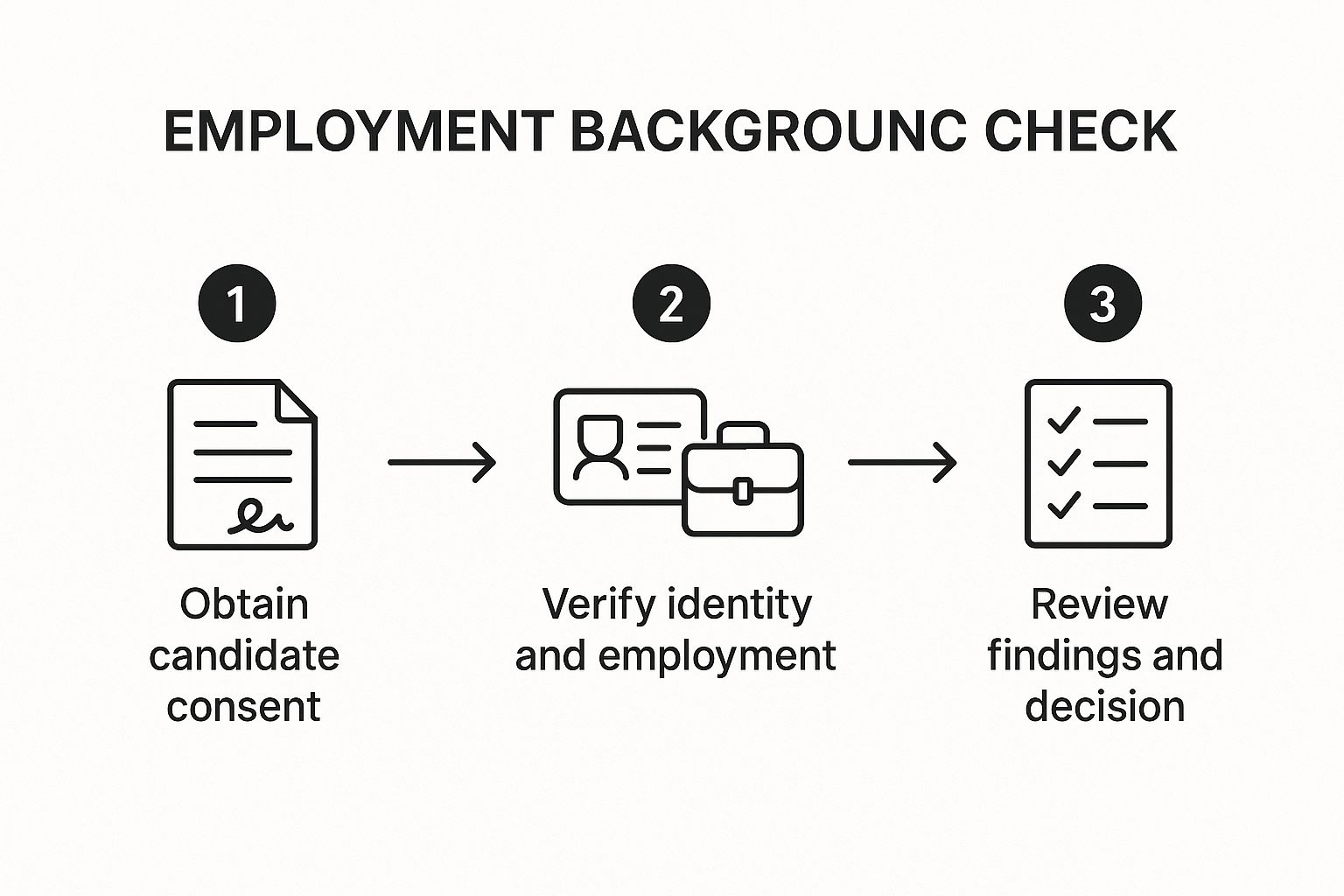

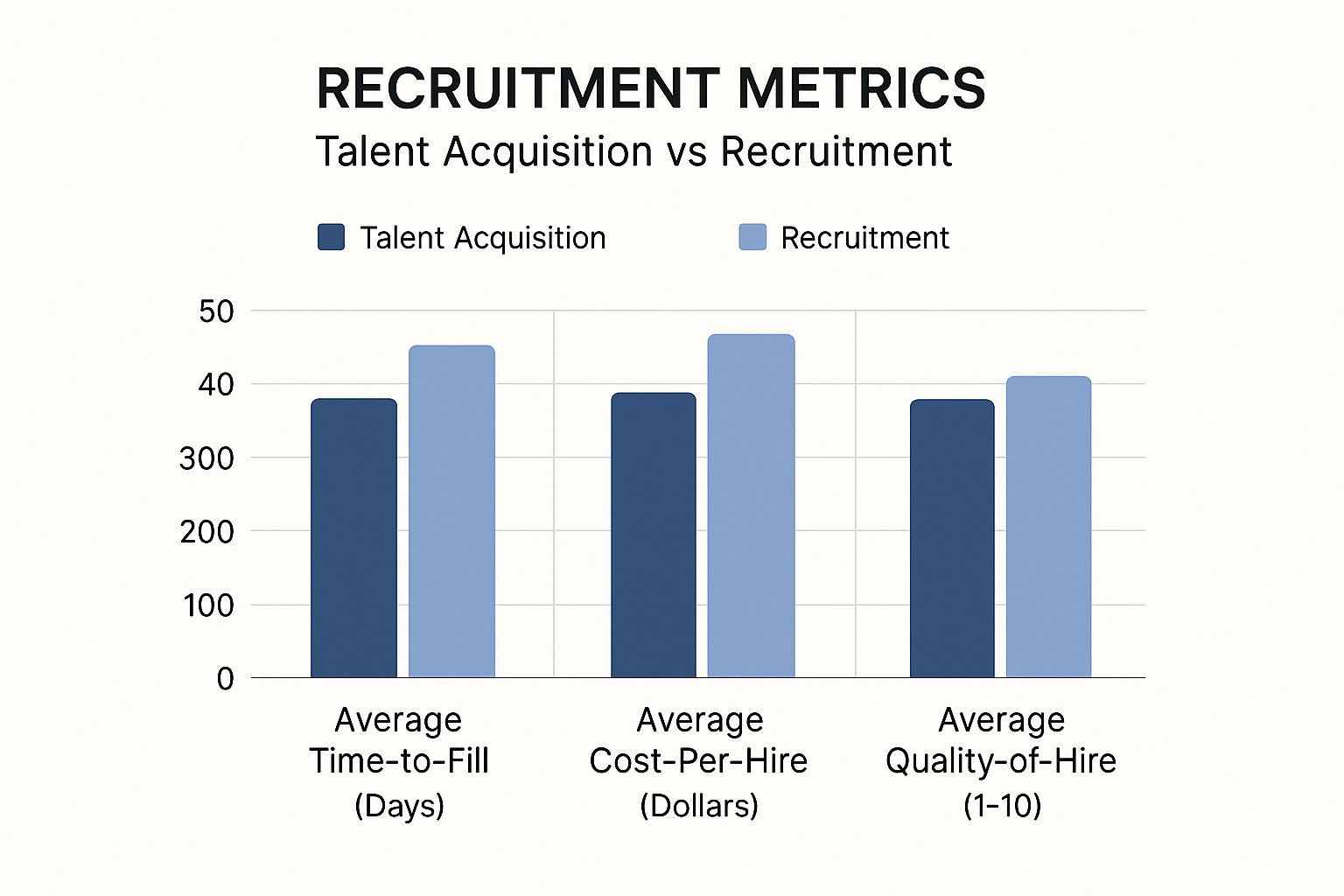



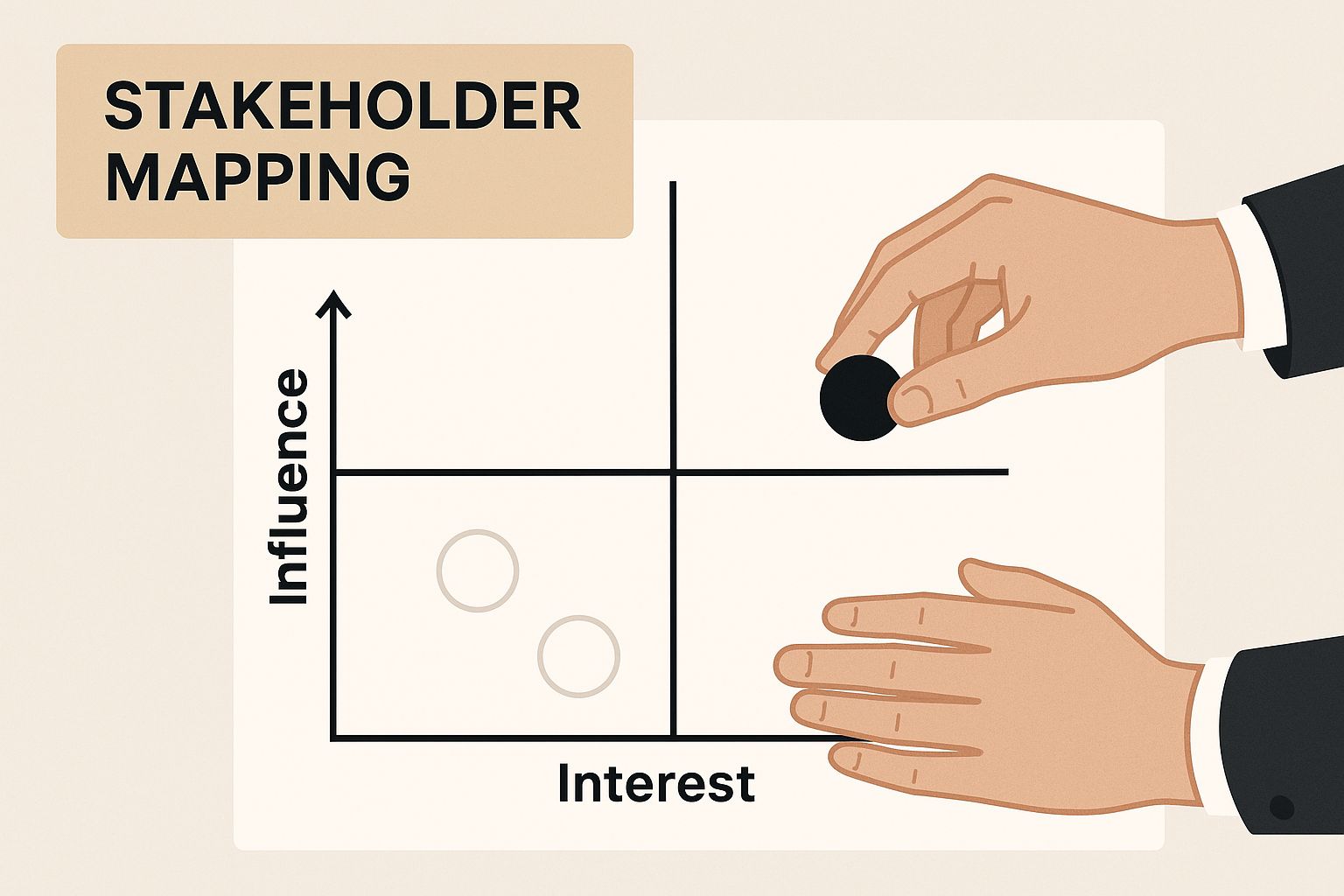

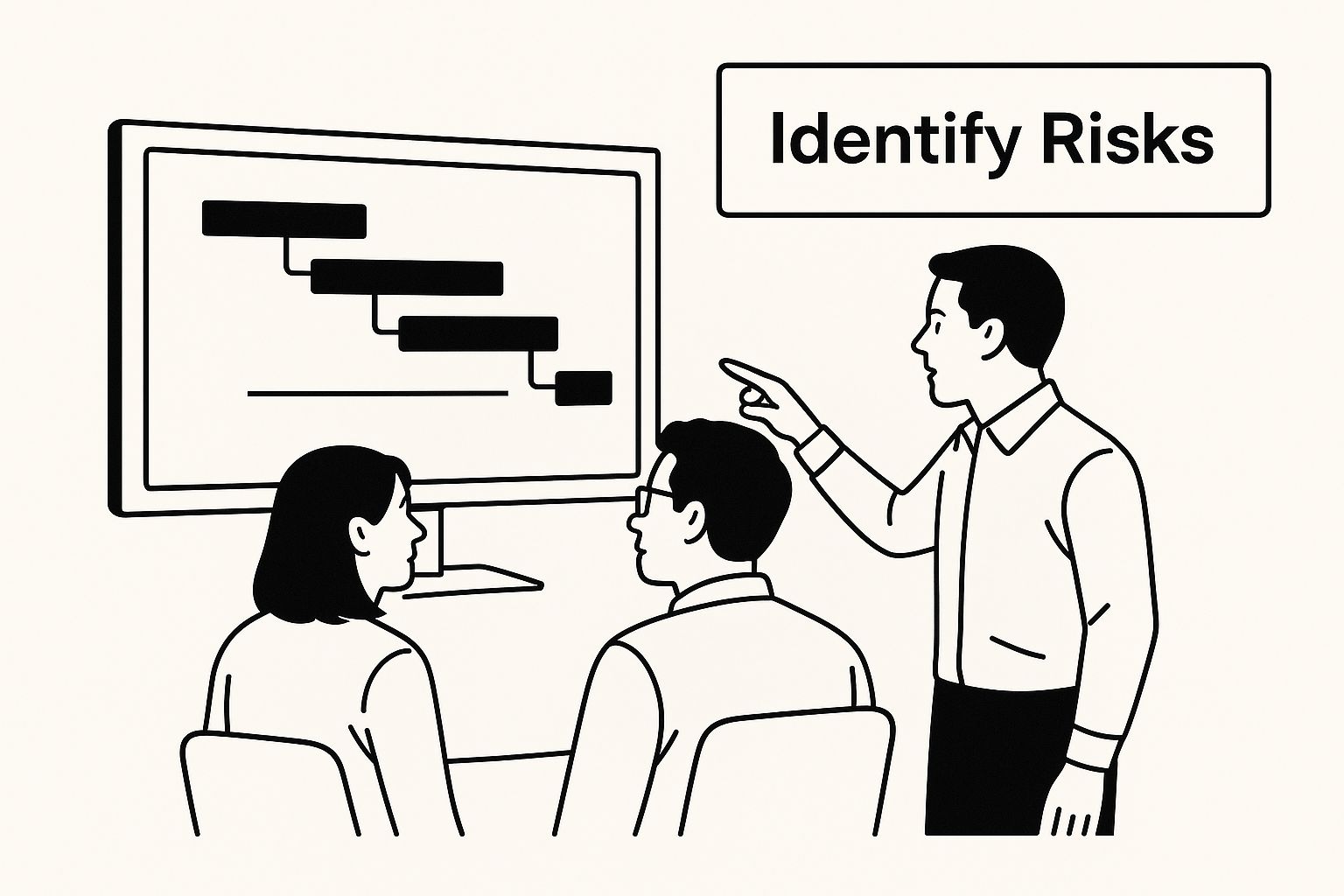



Recent Comments